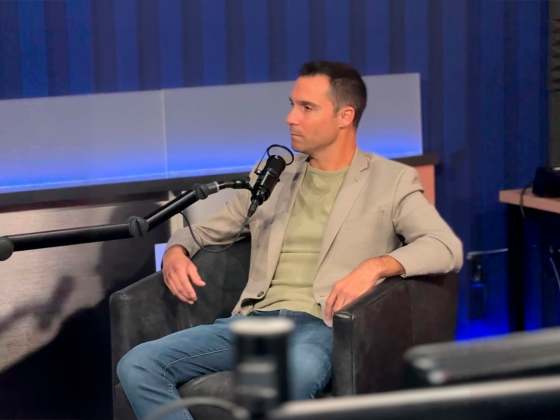
Taking home a used item only to realize you should have asked more questions is a common frustration. Bobby J. Graham believes that making a bad acquisition in the business market brings out that same feeling of regret. As the president of BizCal, he understands the mechanics of closing big-ticket deals from his time at Amex and scaling the SeatGeek marketplace. Alongside those large corporate successes, he also owned multiple small businesses over the years. A few of those personal ventures nearly bled him dry financially. Now, he focuses his efforts on helping buyers find the real story behind a seller’s pitch before they sign the final check. Missing key details in the middle of a deal is exactly what ends up hurting a buyer the most.
Clean Books Do Not Mean Clean Businesses
Reviewing financial documents is usually the first step for anyone looking to purchase an early-stage company. Spotless accounting records might look great on paper, but they frequently mask total chaos occurring behind the scenes. Relying strictly on numbers can easily create a false sense of security during the early evaluation process. “QuickBooks will balance all day long, but that doesn’t mean that the business is healthy,” Graham explains. For this reason, prospective buyers need to figure out if the attractive margins only exist because the owner is doing all of the work.
Strong top-line growth can also serve as a clever disguise for high customer churn rates. Getting blinded by rising revenue numbers often causes buyers to miss the structural cracks forming within the daily operations. The most important detail to consider is exactly what breaks if the seller walks out the door tomorrow. “If it’s a one-person show with no playbook, congrats. You just buy yourself a job,” Graham warns. Taking on that kind of heavy responsibility means the new owner inherits all the stress, while still having to pay for the overhead expenses.
Digging Harder When Deals Feel Too Easy
Sellers often frame their operations as completely automated systems to attract potential investors. Hearing that a company basically runs itself should serve as an immediate warning sign rather than a compelling selling point. Automation is certainly a helpful tool to have in place, but an owner who has totally checked out presents a completely different story. “Sellers love to say it runs itself. Every time I hear that, my eyebrows go up,” Graham says. If an operation truly requires no effort to maintain, buyers should seriously question why the current management wants to sell it right now. Finding out what they are leaving out of the conversation is crucial.
Failing to ask these logical questions can lead a buyer right into a massive trap. During one particular evaluation, a prospective owner almost missed that a key supplier contract was expiring right in the middle of the deal. Without that specific agreement locked in place securely, the company would literally have no product to sell to its customers. “If that supplier raised their prices to you, the new owner, you’re looking at a deal breaker hiding in plain sight,” Graham points out. Catching these hidden details early prevents a new management team from facing an immediate crisis on day one. A careful buyer must dig much harder to protect their investment.
Looking Beyond The Balance Sheet Risks
Many dangerous threats to a new acquisition never show up on a standard profit and loss statement. Instead of living on a spreadsheet, major liabilities usually remain entirely off the books. They wait quietly to surface long after the ink dries on the contract. Potential hazards might include pending lawsuits, a toxic workplace culture, or relying too heavily on just a few key customers to stay afloat. A business could also have too much weight placed on a few key employees or operate on handshake agreements that nobody ever wrote down. Prospective owners will only find these crucial details by conducting uncomfortable interviews with the sellers and their broker representatives.
Reviewing the due diligence data is a good starting point, but pushing past the standard pitch reveals the reality of the daily operations. Making an acquisition can absolutely be a positive, life-changing decision. However, that same purchase can turn into a difficult burden very quickly without proper care. Good deals always need to hold up under the pressure of intense questioning and careful investigation. “We help buyers get past the pitch and see what’s really going on,” Graham notes. He encourages future owners to do the necessary work and ask tough questions. When something feels slightly off, trusting your gut becomes the most important part of the process.
Follow Bobby J. Graham on LinkedIn for more insights on business acquisitions, company valuations, and navigating due diligence when buying a small business.