The assumption that a technology leader’s job is to keep systems running is not just outdated. It is expensive. Every year that a chief executive office (CEO) treats the chief information officer (CIO) as an infrastructure manager rather than a strategic partner is a year of compounding opportunity cost, and in 2026, the organizations still operating that way are falling behind ones that are not.
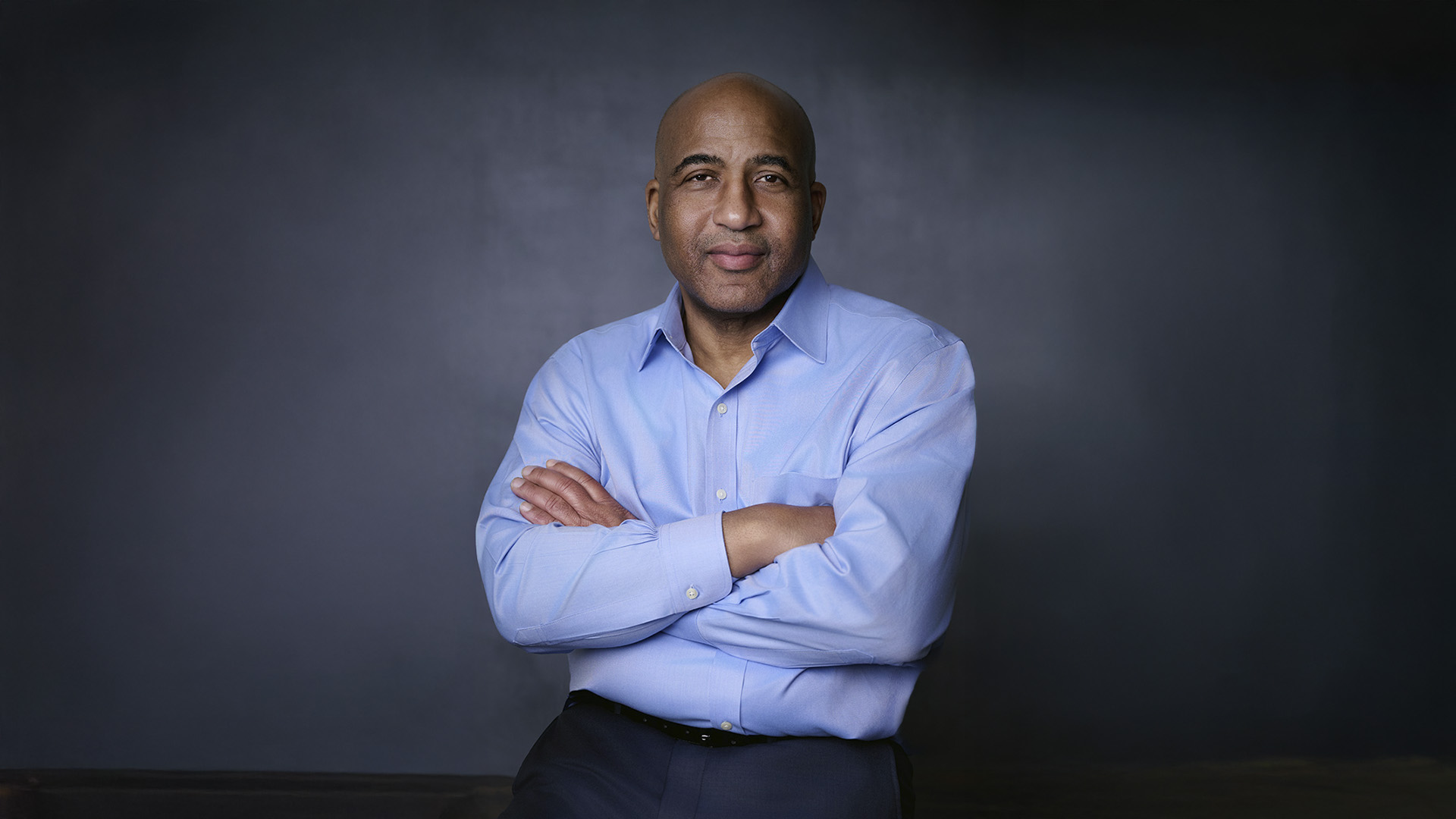
Harrison Allen Lewis, founding partner at Jacob Meadow Associates and a three-time CIO with over 20 years of experience leading technology strategy across retail, grocery, and financial services, is direct about what has to change and where the accountability lies. “The companies pulling ahead treat technology as capital, deployed with intention, tied to outcomes, and governed with discipline,” Lewis says. “Technology only matters when it serves the business.”
Treat Technology as Capital Allocation
The first expectation Lewis sets is one that reframes the entire relationship between the CEO and technology leader. Every technology initiative should carry the same financial rigor applied to any other capital deployment: a clear return, a defined timeline, and a direct link to revenue, margin, or risk reduction. “If a CFO applies financial rigor, so should the CIO,” Lewis says. The cost of not applying that discipline is not abstract. In most enterprises, 15% to 25% of technology spend is tied up in redundant systems delivering no material business value. That is not a technology problem. It is a capital allocation problem, and it belongs in the same conversation as any other strategic investment decision a CEO makes. The technology leader who cannot articulate the return on their portfolio in business terms is not operating at the level the role now requires.
Measure Outcomes, Not Activity
The second expectation follows directly from the first. System uptime, ticket volumes, and deployment frequency are operational metrics. They tell the technology team whether the infrastructure is functioning. They tell a CEO almost nothing about whether technology is creating business value. “The real metrics are cycle time, revenue per employee, and margin expansion,” Lewis says. Every technology program should be reported against a business KPI that means something in the boardroom, not a technical indicator that requires translation. The shift from activity-based reporting to outcome-based accountability is not a small adjustment. It changes what technology leaders prioritize, how they structure their teams, and what success looks like at every level of the function.
Demand AI Discipline
The third expectation Lewis raises is the one most relevant to the current moment. AI is the dominant investment narrative in enterprise technology, and as a result, it is also producing some of the most expensive and least disciplined spending in recent memory. “Everyone else is doing AI, which is not a strategy,” Lewis says. CEOs should expect their technology leaders to provide use cases ranked by economic impact, genuine data-readiness assessments, and a clear cost-versus-value analysis for every AI initiative on the roadmap. “Without that, AI is just expensive speculation.”
Treat Cybersecurity as Enterprise Survival
The fourth expectation shifts from growth to protection, but Lewis frames it as a business risk conversation rather than a technical one. Security has long been treated as an IT concern. That categorization no longer reflects the reality of what a breach actually costs. “Security is not an IT issue,” Lewis says. “It is a business risk.” CEOs should expect quantified exposure, regularly tested response plans, and board-level reporting that communicates security risk in the same language as financial and operational risk. “A breach does not just cost money,” he says. “It costs trust.” In industries where customer trust is a core asset, the reputational damage from a significant security failure can far outweigh the direct financial cost.
Expect a True Enterprise Partner
The fifth expectation is the one that frames all the others. The modern technology leader is not a functional head managing a cost center. The role, done properly, operates like a chief operating officer (COO) with technical depth: embedded in strategy, accountable for outcomes, fluent in finance and risk, and fully integrated into the decisions that shape the business. “The IT versus business divide must end,” Lewis says. That divide produces technology strategies disconnected from commercial reality and business strategies that underestimate what technology makes possible.
The executives who close that gap are the ones whose organizations compound the advantage of every technology investment they make. “In 2026, CEOs should not be asking whether technology is tied to the business,” Lewis says. “They should assume their technology leaders are already shaping decisions on capital, risk, and growth.” The standard has moved. The question is whether the leadership expectations have moved with it.
Follow Harrison Allen Lewis on LinkedIn or visit his website or company website for more insights on technology leadership, CIO strategy, and enterprise transformation.