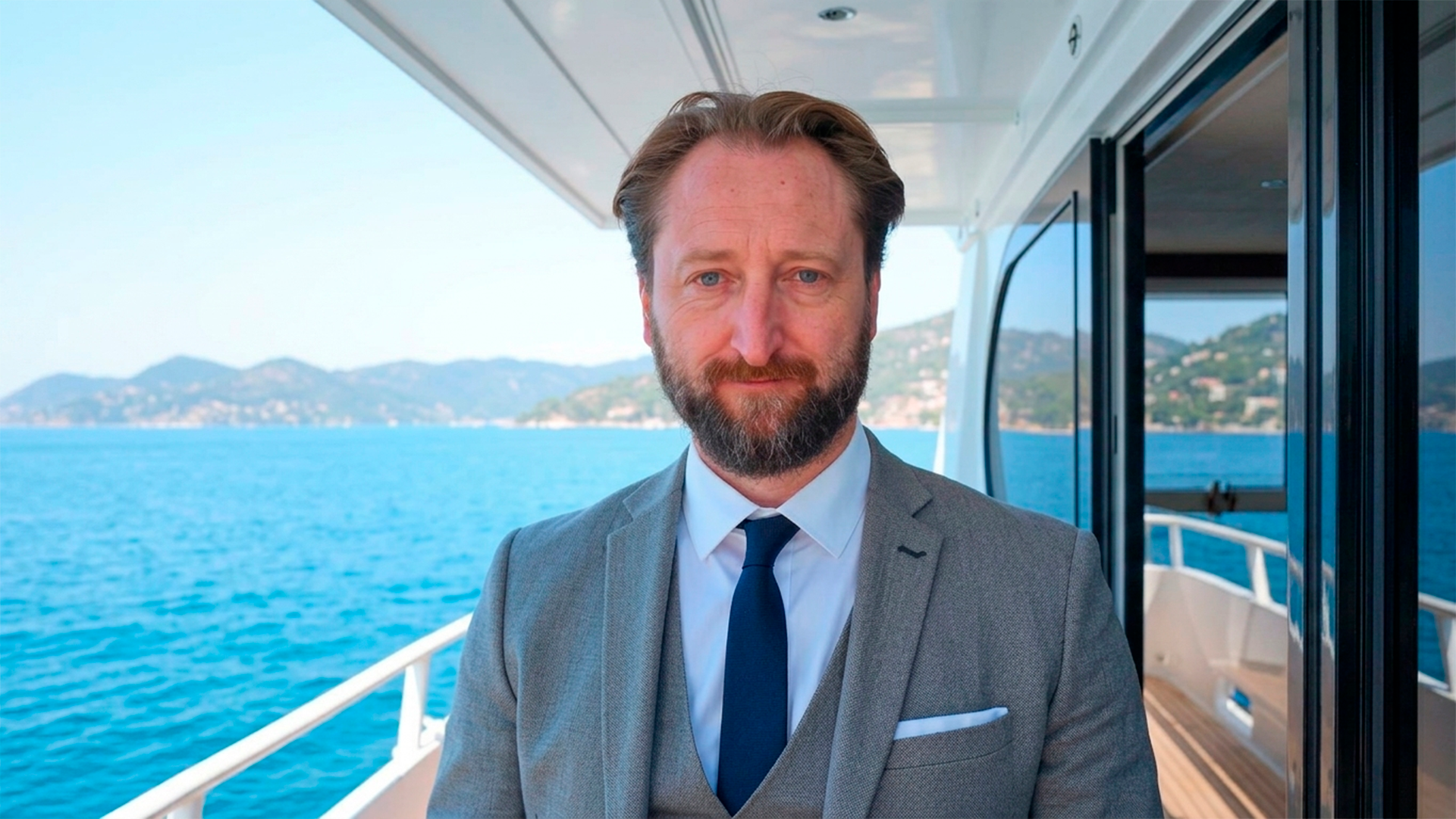
Most cross-cultural leadership advice tells managers to adapt to local culture and stops there. Oliver Diehm, a regional chief financial officer who has run controlling, finance and shared service operations across Germany, China, Brazil, Mexico, and the United States, has found that advice incomplete, especially under pressure.
Adapting to each culture, taken alone, fragments a team into separate groups managed separately. This is what fails when a deadline demands they move as one. The harder and more valuable skill, he says, is using that local respect to reach a shared goal rather than settling for the respect itself.
“That blend of local respect and global direction,” he says, “is what turns separate offices into one performing team.” Having built a global business service center from the ground up into a hub spanning finance, HR, controlling, and purchasing, Diehm has learned that a team holds under pressure only when each person arrives at the common objective through their own culture being understood first.
You Reach the Universal Goal Through the Local Culture, Not Around It
Leading across Shanghai and Monterrey taught Diehm that motivation does not travel. What drives a team in one differs from what drives a team in the other, and a leader who imposes a single template connects with neither. The instinct to skip past that difference and lead everyone straight to the shared mission produces compliance rather than commitment.
The distinction is decisive under pressure, because compliance gives way when the timeline tightens. Diehm adapts to each culture, speaks the local language where he can, and only then connects everyone to a common goal. A team that feels understood locally will commit to a global objective. Local respect is not a detour around the shared goal; it is the road to it.
Trust Has to Exist Before the Pressure Does
Local respect rests on trust, and Diehm insists that trust must be built in advance. When he established the service center in Mexico, the systems were important, but the people mattered more. He coaches his teams, listens, and hands them real ownership of the work.
The return comes when conditions turn. People who feel trusted step up under pressure, he notes, while those who do not step back. A team draws on ownership given early when the stakes rise, because the trust was already in place when it became necessary. Culture, in his account, is what holds a team together once the numbers get difficult, and it cannot be manufactured in the moment it is called for.
Structure Lets People Stay Calm
If trust and cultural respect are the human foundation, structure is what keeps that foundation from buckling. Pressure breaks teams that have no clear system, so Diehm builds clarity into the work through strong processes, smart automation, and well-defined roles.
When roles are unclear and the process is chaotic, people burn their energy fighting confusion instead of solving the problem, and under pressure, that confusion becomes blame. Clear structure removes it, letting people spend their effort on the right problems and stay calm enough to deliver on the hardest days.
“Good systems give your team the stability to stay calm and deliver,” Diehm says. Both sides are needed: the local trust and cultural respect that make a person commit, and the shared goals and clear structure that point everyone the same way. A team built that way, he says, does not merely survive pressure, but also performs because of it.
To learn more about building international teams that perform under pressure, connect with Oliver Diehm on LinkedIn.