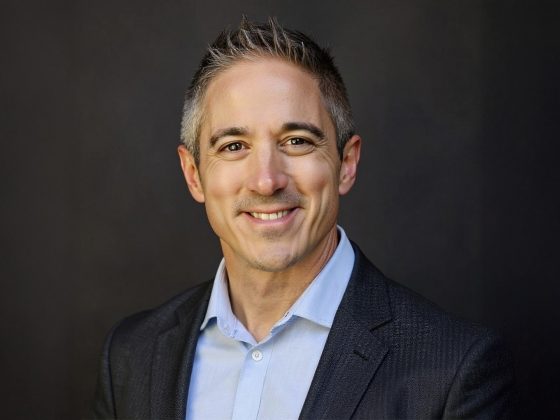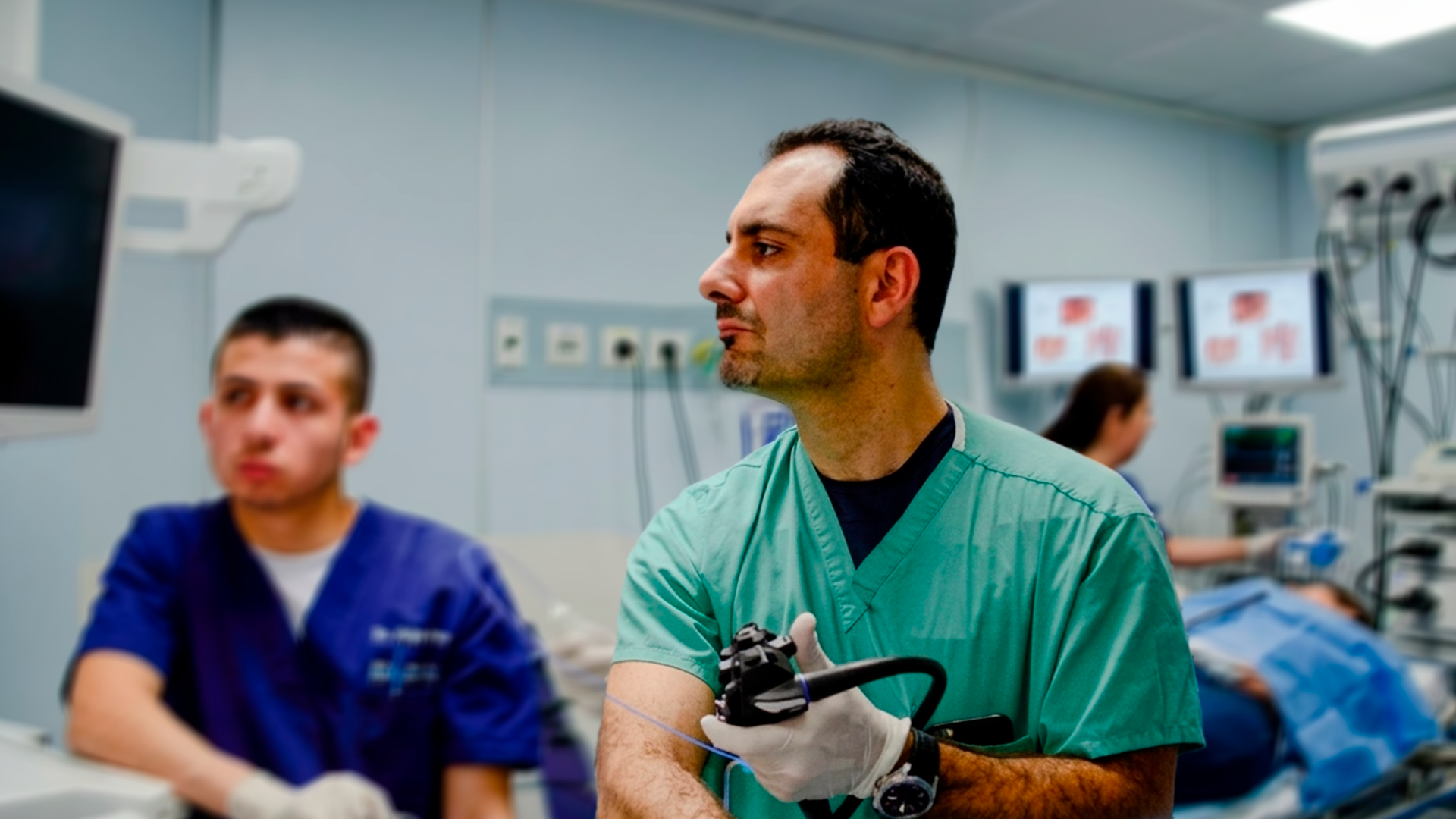
A career built on personal skill eventually runs into what personal skill cannot do. Dr. Michel Kahaleh spent years becoming one of the most accomplished practitioners in therapeutic endoscopy, and the conclusion he reached is an unusual one for someone at that level. “I realized that my work alone wasn’t enough,” he says.
A single physician has one pair of hands, one operating schedule, and one career, and no amount of mastery extends any of those. Kahaleh, Chief Executive Officer of the Foundation for Interventional and Therapeutic Endoscopy (FITE), decided that his own excellence had become the limiting factor rather than the answer, and he began building an institution designed to do the thing an individual practice structurally cannot.
An Institution Outlives a Practice
FITE connects endoscopy centers, training programs, and physicians across countries under a shared mission, standardizing technique and establishing best practices so that expertise has somewhere to go. Kahaleh describes knowledge moving not only from one hospital to many, but from a global network back to itself. When centers in Asia, Europe, Africa, and Latin America learn from one another in real time, the field advances as a whole.
The difference from teaching is worth drawing out. A physician who teaches imparts knowledge, but that transfer ends when their career does. An institution built to cultivate knowledge continues on its own terms—the mark of a vision that outlasts a single lifetime
Expanding Who Contributes
The Foundation trains endoscopists in developing regions and support advanced equipment in centers that need it, working toward a situation where a patient in any country has a path to the same minimally invasive care. Kahaleh refuses the obvious framing for that work. “That’s not charity,” he says. “That’s how you build a sustainable global standard.”
The reasoning follows from what the institution exists to do. A center left outside the network does not simply lose opportunities—it withholds knowledge from the entire field. Every case not shared, every complication not studied, and every physician left isolated diminishes the collective capacity to advance. A single practice can only apply the expertise it already holds; institutions create new expertise by connecting many minds into one learning system.
Collective Intelligence Compresses Time
Working with partners across 30 countries, Kahaleh shares cases, refines technique, and solves problems collectively, and he is specific about the result. The collaboration does not simply improve individual practices; it reshapes the direction of the field.
The advantage is one of arithmetic. A physician working alone encounters a limited number of rare presentations across an entire career, and each one teaches slowly. A network encounters them continuously and distributes what it learns immediately, compressing timelines that would otherwise run for decades. Collective intelligence, in his account, drives innovation faster than any solo effort could.
Most breakthroughs in medicine do not stay breakthroughs for long. They either spread and improve lives everywhere or remain isolated in a few centers while most patients are left behind, and Kahaleh treats that outcome as a matter of design rather than luck.
The Foundation is still being built, and he is direct about needing partners. Physicians, institutions, and leaders who believe in the future of therapeutic endoscopy are invited to join, which is the only way an ambition larger than one practice ever gets realized. To learn more about the Foundation’s work, connect with Dr. Michel Kahaleh on LinkedIn.