When a seat opens for a chief executive officer (CEO) and the board hires from outside, the search gets reported as decisive action. It is usually an admission. Somewhere in that company sits a roster of high potentials, identified years ago, reviewed annually, and never made ready. As a result, the board pays a premium for an outsider to do a job that the company spent a decade claiming it was preparing its own people to do.
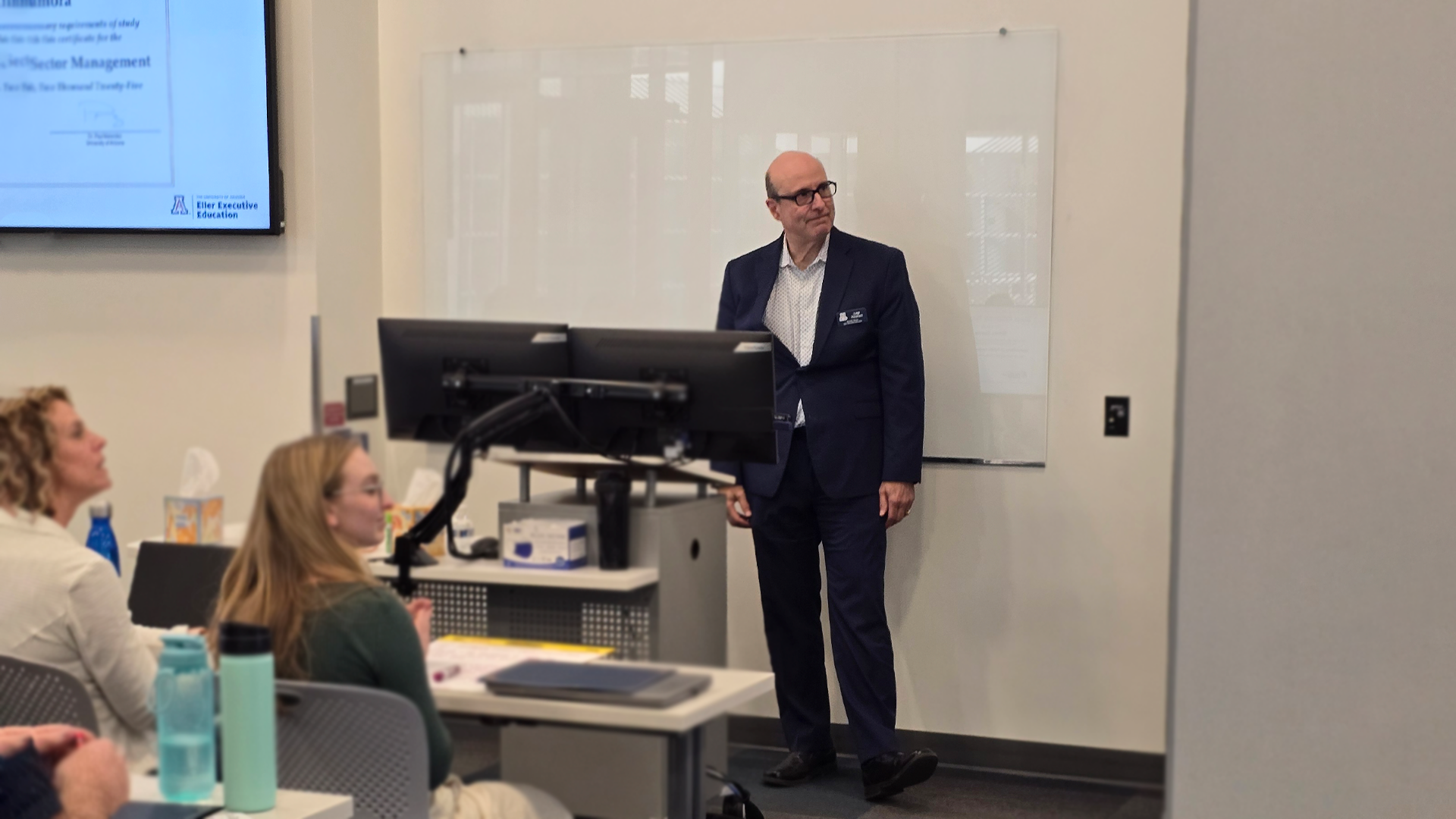
Dr. Luigi A. Pecoraro identifies the underlying failure: “Every organization says it has a succession plan,” he says. “Few actually have a pipeline.” A plan is a list of who might someday hold the seat. A pipeline is the system that makes them capable of holding it. Pecoraro, Co-Founder of Performance Paradox Advisory, has spent 25 years designing executive education programs at SMU Cox and the University of Arizona’s Eller College of Management, and advising organizations on leadership benches that deliver when the seat opens. His three principles describe what the production system looks like.
Stretch Leaders Beyond Their Function
Functional excellence gets leaders noticed. Enterprise thinking gets them promoted. A future CEO needs exposure to parts of the business they have never run, which means rotations through operations, finance, and customer-facing roles. Where rotation is impossible, he assigns cross-functional initiatives that depend on influence rather than authority for success.
That constraint is the training. A leader who can only move work through people who report to them has practiced a skill the CEO seat never uses, since the board, market, and most of the organization sit outside any chief executive’s direct authority. “The boardroom rewards breadth,” Pecoraro says, “and breadth is built on purpose.”
Develop Judgment, Not Just Skills
Skills can be taught, but judgment has to be earned, and organizations unknowingly prevent that from happening. They shield their most promising people from consequential decisions, keeping the record clean and risk contained, then wonder why the bench is not ready for a job made almost entirely of consequential decisions.
Pecoraro urges giving rising leaders real decisions with real consequences, then debriefing the thinking behind each one. Pair them with a seasoned executive who challenges their assumptions. Boards and CEOs are paid to make calls with incomplete information, and Pecoraro describes how that capacity forms. The muscle is built one hard choice at a time. A protected career produces a spotless record and an untested executive, and the seat exposes the difference immediately.
Build Executive Presence and Board Fluency
Talent who cannot communicate at the board level stalls regardless of results. Pecoraro coaches rising leaders to present strategy with clarity, handle tough questions with composure, and read the room they are in. The preparation extends to the material itself. He exposes candidates to actual board documents and dynamics before they ever take a seat, so the first real meeting is a repetition rather than a debut. “Readiness is rehearsed long before it’s required,” he says. A leader meeting board dynamics for the first time in the boardroom is learning the format and defending the strategy at once, and the format usually wins.
Preparing the next generation of CEOs and board members is design rather than luck, and the design has a deadline nobody announces. Every seat eventually opens. The organizations that built a pipeline promote that day, and the ones that kept a list begin a search.
To learn more about building a real leadership pipeline, connect with Dr. Luigi A. Pecoraro on LinkedIn.