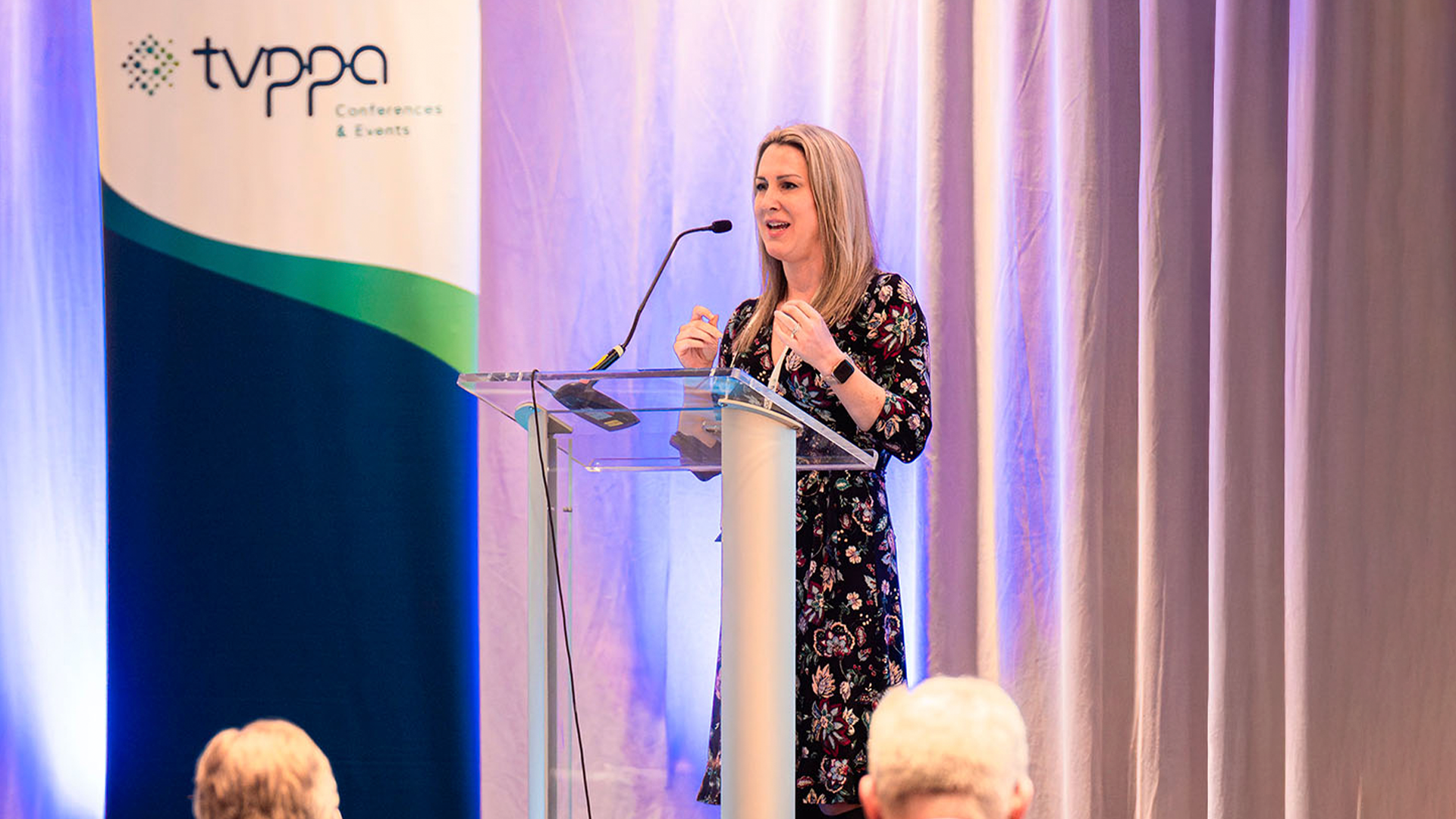
Decisions made in Washington every year shape how energy is produced, priced, and delivered to communities across the country, and by the time a proposal has a bill number or a docket, the terms of the argument have already been set by whoever showed up first. Elizabeth K. Whitney, Managing Principal at Meguire Whitney, spent more than two decades on both sides of that dynamic, including as a senior aide to members of Congress on the House Energy and Commerce Committee, and her read on the problem is less about lobbying budgets than about timing. The question is not whether an energy company should engage federally, it is how to recognize the moment when engagement still changes the outcome.
Engage Before There Is Anything To Oppose
The most counterintuitive part of Whitney’s advice is that the right moment to act arrives before there is a proposal to react to. “The best time to influence policy is before policy is proposed,” she says. That statement inverts how most government affairs functions are structured. Budgets get released when a rule drops. Attention gets mobilized when a markup is scheduled. Outside counsel gets called when a comment deadline appears on the calendar. All of that is defensive posture, and defense in policy is the most expensive position to hold, because by then the drafters have committed to a framework and the only question left is how much of it survives.
What she prescribes instead is slow work with no immediate deliverable. “Build relationships with committee staff and agency officials ahead of time,” Whitney says. “Early input carries the most weight and it helps your perspective become part of the solution from the start.” The distinction between shaping a solution and amending one is the whole game. A company whose operating reality is already understood by the staff drafting the language is being designed around. A company that arrives at the comment stage is asking for an exception. The first costs relationship-building time over years. The second costs money and is always a gamble. Executives who cannot see a line item for the first will keep paying for the second, and they will keep losing on the margins that matter.
Have A Story Before You Have An Ask
The second signal is readiness rather than an external trigger. Engage, Whitney argues, “when you have a clear story to tell.” This is a higher bar than it sounds. Trade associations produce position papers constantly, and most of them are indistinguishable from each other: a set of principles, a request for flexibility, a warning about unintended consequences. Policymakers process that material in volume and retain almost none of it. What survives is specific. “Lawmakers remember real examples,” Whitney says. The memory of a staffer is the scarcest resource in the policy process, and abstraction does not occupy it.
Her formulation is worth taking seriously as an internal test before any company books a Washington meeting. “If you’re investing in grid innovation or deploying capital to serve a need, the policy environment is a foundation you need to protect and shape,” she says. “When you pair solid data with local impact, your message becomes one that sticks.” Data alone is a report. Local impact alone is anecdote. The combination is the only thing that gives a member of Congress something usable, which is to say something they can repeat in a hearing or a district event with their own name attached. That reframes the preparation work entirely. The question for an operations team is not what the company wants from Washington, but what the company has done that a lawmaker would want to point to. If the answer is thin, the meeting is premature.
Move When The Proposal Reaches Your Customers
The third trigger is the one most companies recognize, and even here Whitney’s point is that the recognition usually arrives too late. “If a bill or rule could affect rates, reliability, or access to funding, don’t wait to weigh in,” she says. Those three categories cover nearly everything that matters operationally to a utility, and they are precisely the areas where the regulatory machinery moves without requiring anyone’s attention. “A new EPA regulation or a FERC rulemaking can have a direct impact on your organization and customers,” she notes. Neither of those processes announces itself to executives who are not already watching.
What gives this argument weight beyond self-interest is the asymmetry it exposes. Large investor-owned players maintain a permanent Washington presence as a matter of course. Consumer-owned utilities and smaller energy companies, whose customers absorb policy changes just as directly, often do not, which means the record in front of regulators is systematically missing the operators closest to the affected communities. Whitney’s position is that those organizations are not petitioners in that process but necessary contributors to it. “When your community feels the effects, your voice belongs in the conversation,” she says. The framing matters: participation is not a favor requested; it is information the process needs. “Washington makes better decisions when community input is at the table.” Companies that understand that stop treating engagement as a cost of defense and start treating it as part of how they serve the people paying their bills.
Follow Elizabeth K. Whitney on LinkedIn for more insights on federal energy policy, regulatory strategy, and effective engagement with Washington.