In rural America, geography is less of an inconvenience and more of a clinical variable. Millions of people live miles from the nearest doctor, hospital, or pharmacy, and for many of them, that distance determines whether a condition is treated or worsens. The conventional healthcare model, built on the assumption that patients will come to the provider, simply does not function in these communities.
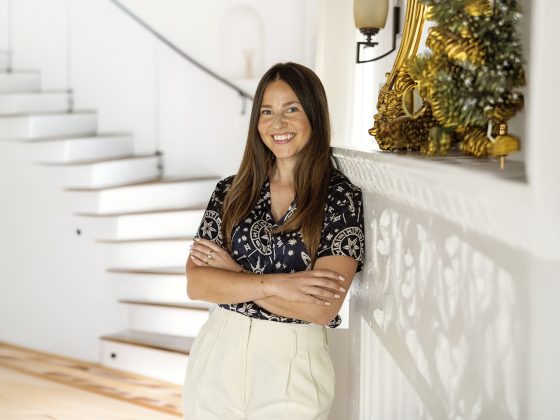
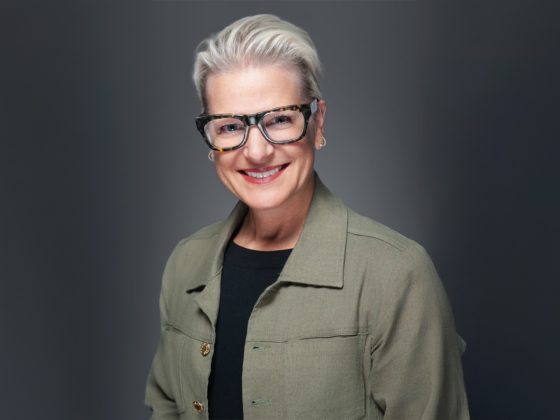
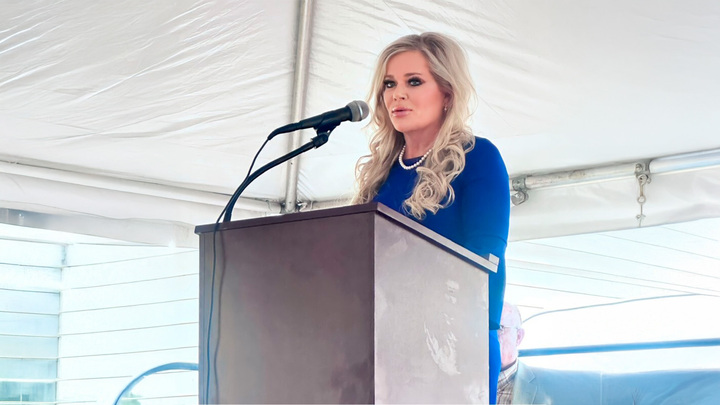
Dr. Teresa Owens Tyson, Chief Executive Officer (CEO) of The Health Wagon, Doctor of Nursing Practice, and Family Nurse Practitioner with over 30 years of transforming healthcare delivery across the rural Appalachian Mountains, built her entire model around rejecting that assumption. What started as a single mobile clinic has grown into a pioneering nonprofit health system serving thousands of patients each year. “Healthcare is a human right,” Tyson insists, “not a privilege of geography.”
Remove the Distance Between People and Care
The first design principle behind The Health Wagon model is to stop expecting patients to overcome barriers that the system created. Distance, lack of transportation, and poverty are not individual failings – they are structural realities that a patient-centered model has to account for from the beginning. The Health Wagon addresses them through mobile clinics that bring care into communities, stationary sites positioned for access, and outreach events that meet people in the contexts of their daily lives.
When the obstacles between people and providers are removed, the clinical relationship changes. Patients who would never have sought care, or who would have delayed until a manageable condition became a crisis, engage with the system. Trust builds because the system demonstrated its willingness to come to them. “When you remove the obstacles between people and providers,” Tyson reflects, “you change lives.” That is not a philosophical position, but a documented outcome that has repeated across decades of mobile health delivery in communities where the traditional model had no presence.
Treat the Whole Person, Not the Presenting Symptom
The second principle is integration. A holistic model recognizes that primary care, behavioral health, dental care, pharmacy access, specialty services, and telehealth are dimensions of the same patient’s life. Fragmenting them produces fragmented outcomes. The Health Wagon built the Integrated Comprehensive Care Collective (ICC model) specifically to connect those dimensions within a single trusted system.
When patients can access everything they need in one place, without navigating referral bureaucracy, traveling to multiple providers, or falling through the gaps between disconnected systems, outcomes improve measurably. So does trust. For communities with historical reasons to distrust institutional healthcare, a model that delivers comprehensively and consistently in their own geography earns a kind of credibility that no outreach campaign can replicate. The ICC model is built on that understanding.
No Organization Can Do This Alone
The third principle is partnership. Sustainable rural healthcare change requires strategic collaboration with funders, policymakers, universities, and community leaders whose knowledge, authority, and resources complement what a single organization can deliver.
The Health Wagon has pursued that collaboration at scale, securing multimillion-dollar grants and leading the Move Mountains Medical mission to extend its impact beyond what any single institution could sustain on its own. These partnerships have also generated policy influence at the national and global level, translating local clinical experience into advocacy for structural change.
The model Dr. Tyson has built over three decades in Appalachian healthcare is not a workaround for a broken system. It is evidence that a different system is possible; one designed around the people it serves, integrated across every dimension of their health, and sustained through collaboration that matches the scale of the problem. Rural communities deserve nothing less.
Follow Dr. Teresa Owens Tyson on LinkedIn for more insights on rural healthcare innovation, health equity, and the integrated care models that serve the communities traditional systems leave behind.