For decades, the security industry has asked people to do something humans are simply not built to do well: watch a bank of camera feeds for hours at a stretch, waiting for a rare moment that may never come. Vigilance sustained over long, uneventful periods degrades no matter how skilled or committed the person watching is, because it is a mismatch between the task and basic human cognition, not a failure of training or discipline. The industry called the result a staffing problem and tried to solve it with more cameras, more shifts, and more guards. It was never a staffing problem. It was a design problem.
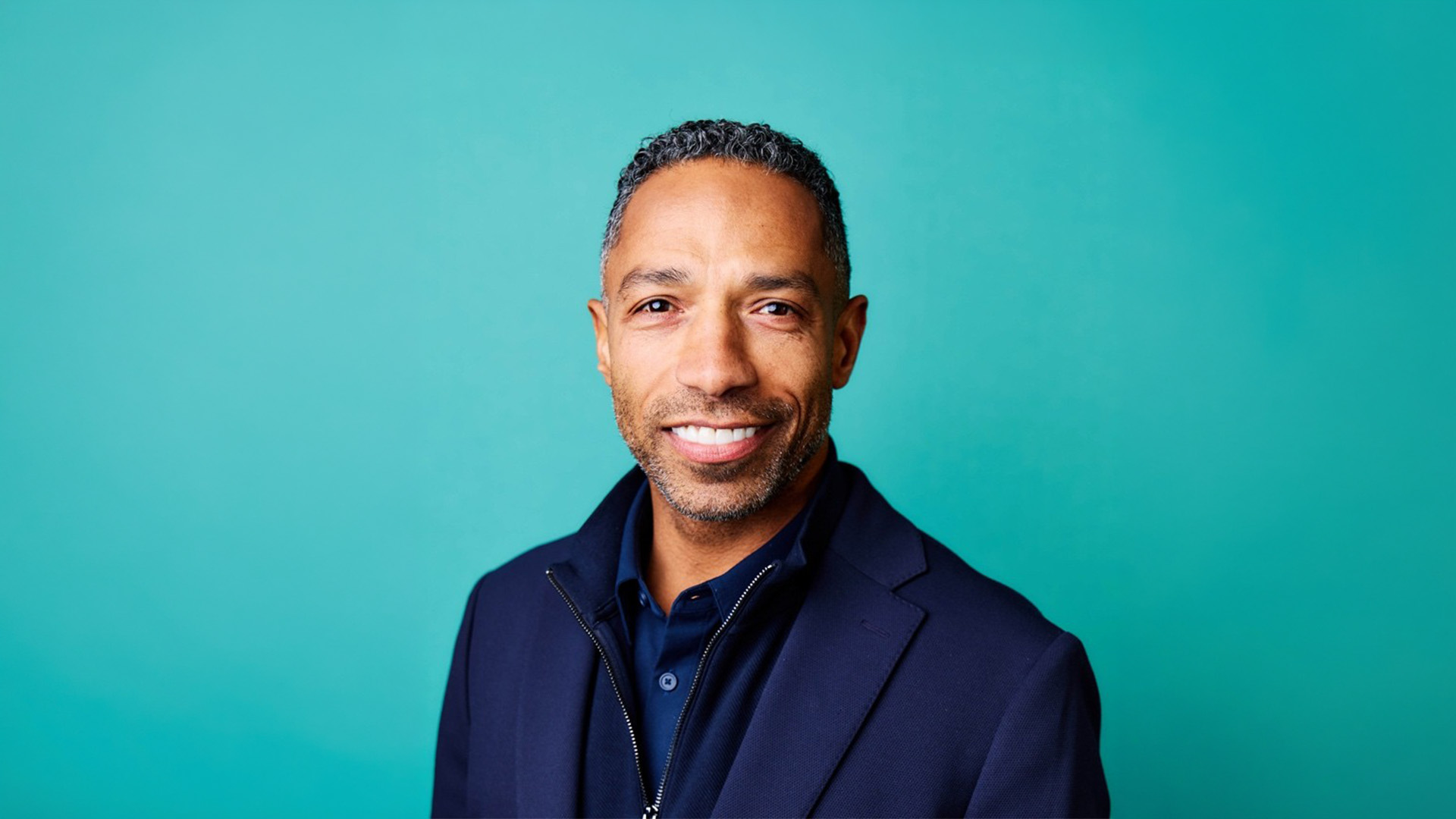
Tariq Amassyali, Founder and Managing Partner of Tower Patrol, has spent nearly two decades scaling businesses and building revenue-generating teams, and his view of AI’s role in security starts from that mismatch rather than from the technology itself. “AI isn’t here to eliminate security,” he states. “It’s here to make it smarter, faster, and actually sustainable.” The shift is not about replacing people. It is about finally giving the sensing job to something built for it and returning judgment to the people who were always better suited to it.
Humans Were Never the Right Sensors
The traditional security model put a person behind a wall of monitors and asked them to notice the one anomaly buried in hours of nothing happening. This is precisely the kind of task human attention fails at, not occasionally but predictably, because sustained monitoring without meaningful stimulation is a known limit of human cognition, not a personal shortcoming of any individual guard.
AI-enhanced detection and real-time analytics change the role that humans play in security. Mobile robotic units equipped with advanced data processing and instant threat assessment do the continuous sensing that humans do poorly, and they surface actionable intelligence rather than raw, undifferentiated footage. “Your team makes better calls faster,” Amassyali notes, precisely because they are no longer watching endless camera feeds. They are responding to a flagged event, which is a decision-making task: the one place human judgment outperforms a machine. This is not a security professional being made redundant. It is a security professional finally asked to do the part of the job that matches their actual strength.
Removing Constant Human Presence Is What Makes the Rest Possible
Sustainability in security has traditionally been treated as a separate concern from performance; an enhancement on top of the real objective of protection. That framing only holds as long as protection requires a continuous human physical presence, generators, vehicles, diesel-powered patrols running around the clock to keep a person stationed and moving.
Once detection no longer depends on a person walking a beat or sitting in front of monitors, the physical footprint of security changes entirely. Solar-integrated, off-grid units can deliver enterprise-grade protection without diesel power patrols, because the constant human presence that diesel power was supporting is no longer the load-bearing requirement it once was.
Cutting emissions and improving surveillance capability are not two separate wins bolted together. They are the same shift, viewed from two angles, because removing humans from the continuous-sensing role is what frees the infrastructure to be built differently in the first place. “This isn’t a nice-to-have,” Amassyali says of the sustainability gain. “This is a standard now.”
A Sensing Task Scales Differently Than a Human One
A human-centered security model scales by adding more people, more shifts, and more physical presence, which means cost and complexity grow roughly in step with the area being protected. A detection system built on AI does not carry that same constraint, because sensing at a small site and sensing at a sprawling one are differences of degree for a system rather than differences that require proportionally more human bodies. Whether the site is a parking lot or an expansive facility, the AI adapts in real time without the guesswork that came from an inherently limited human attention span trying to cover ground it was never suited to monitor continuously.
The old model was not simply less advanced. It was built on a category error, asking people to be sensors and hoping discipline would compensate for a task human cognition was never designed for. Correct that error, and security does not lose its human element. It finally puts that human element where it was always the strongest, in judgment, while the sensing work goes to something built to do it without fatigue, without diesel, and without the limits that came from asking a person to watch and watch and watch.
Follow Tariq Amassyali on LinkedIn or visit Tower Patrol for more insights on AI-driven security, sustainable protection systems, and building security operations that scale without compromise.