For decades, traditional finance and digital assets have operated as parallel universes: one built on regulation, established institutions, and hard-won trust; the other on speed, decentralization, and the conviction that the existing system was ready to be replaced. Both sides spent years talking past each other. The institutions dismissed the technology as speculative. The crypto natives dismissed the institutions as slow and captured by incumbency. The real opportunity was never either of those positions, and it is only now becoming clear how to capture it.
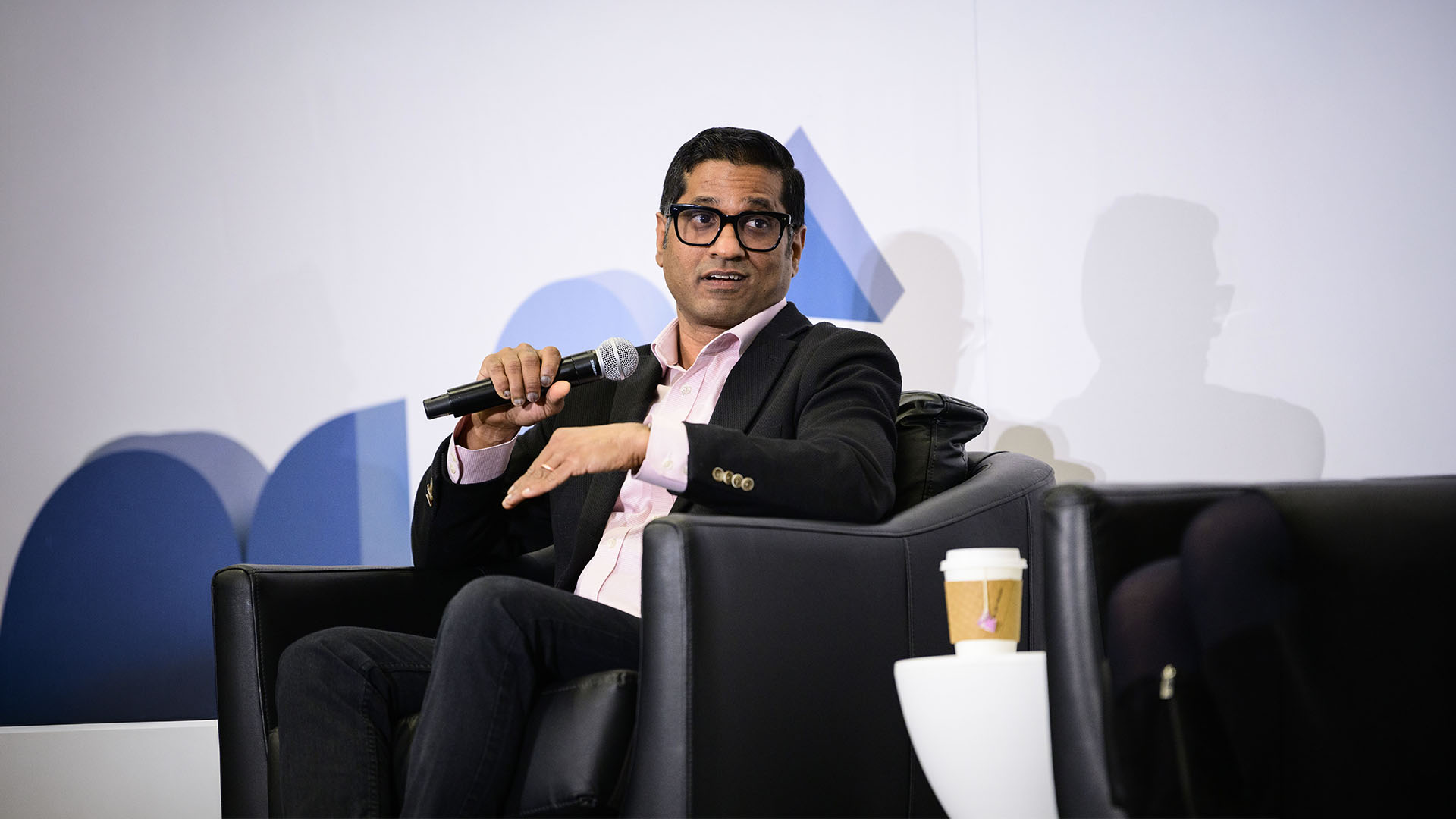
Shyam Nagarajan, Chief Partnership Officer (CPO) at Hashgraph, former Chief Operating Officer (COO) at Hedera, and current Board Member at Prove AI, has spent his career at exactly this intersection. “The real opportunity today is not choosing one over the other,” Nagarajan states. “It is connecting them in a way that delivers value at scale.”
Governance Is the On-Ramp, Not the Obstacle
Institutions do not adopt new technology because it is innovative or exciting. They adopt it because it is reliable, compliant, and well-governed. The networks winning enterprise adoption are the ones that put governance, transparency, and accountability at the core of their design from the beginning, not as a concession to regulatory pressure but as a foundational architectural choice.
“Trust is the on-ramp,” Nagarajan notes. The institutions that control capital flows into digital asset ecosystems are not going to use an on-ramp they do not trust. Building governance into the design is not a constraint on innovation. It is the prerequisite for the kind of institutional participation that takes digital assets from interesting to essential.
Real Utility Is Already Moving Real Volume
The most persistent misconception about digital assets in institutional finance is that their compelling use cases remain theoretical; they are not. Tokenized assets, stablecoins, supply chain traceability, and verifiable AI are already processing real volume for real businesses. The breakthrough is not in the concept; it is in the execution of solutions to problems that traditional finance has been trying to solve for years: settlement speed, cost reduction, and transparency without requiring trust in an intermediary. “When we focus on solving genuine pain points, adoption naturally follows,” Nagarajan reflects.
Settlement inefficiencies that currently take days can move in seconds. Cost structures that make certain transaction types economically unviable become viable at scale. Transparency that requires audit cycles and reconciliation processes becomes real-time and verifiable. The institutions moving fastest are the ones that stopped evaluating digital assets as an asset class and started treating them as infrastructure to solve operational problems they already cared about.
Coalitions Build What Companies Cannot
No single bank, protocol, or technology provider will bridge the divide between traditional finance and digital assets alone. The gap is too wide, the regulatory environment too complex, and the technical requirements too varied for any single player to address comprehensively. The strongest ecosystems forming right now are those where traditional players and digital natives are co-creating rather than competing – where banks, regulators, technology providers, and developers are building together toward infrastructure that serves them all.
“The future of finance is not traditional or digital,” Nagarajan states. “It is both working as one.” That future is not coming; it is being built right now by the coalitions willing to set aside competitive instincts long enough to recognize that the infrastructure they need cannot be built unilaterally. The organizations that understand this will define what institutional digital finance looks like over the next decade. Those who do not will spend that decade trying to catch up.
Follow Shyam Nagarajan on LinkedIn for more insights on digital asset adoption, enterprise blockchain, and building the partnerships that bridge traditional finance and the digital economy.