Industrial leaders are routinely told they face a choice: push for profit or take care of their people. The companies that have operated for decades, the ones that outlast economic cycles, leadership transitions, and industry disruption, have long since rejected that framing.
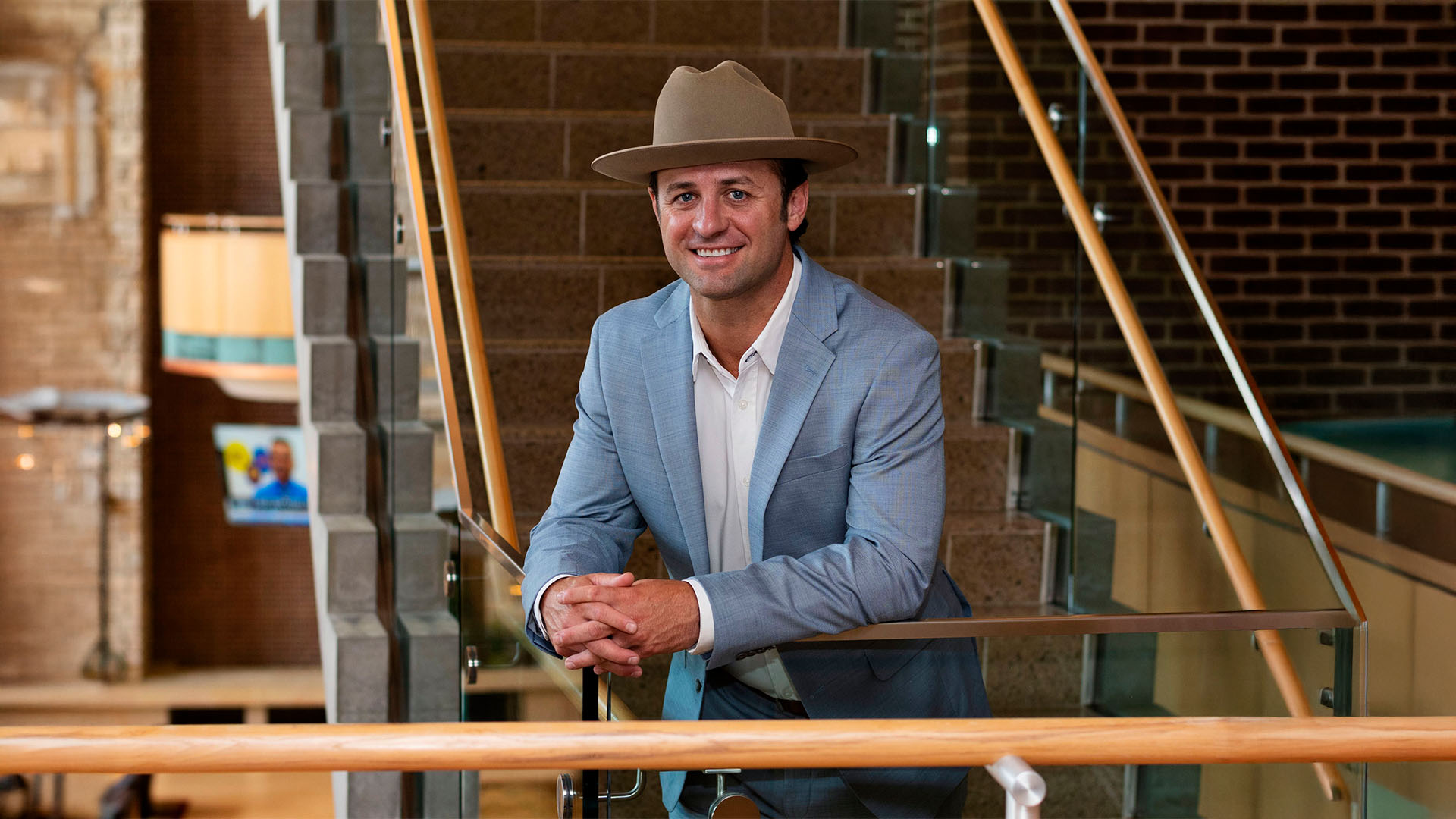
Lance Thrailkill, third-generation owner and Chief Executive (CEO) of All Metals Fabricating and Co-Founder of Print3D Technologies, has spent 18 years working across every level of the business, from controller to chief financial officer (CFO) to CEO. In that time, the company has doubled revenue, embraced Industry 4.0 automation, and maintained the people-first culture that has sustained a family business for over 70 years. “Take care of your people,” Thrailkill insists, “and the numbers will take care of themselves.”
Profit Follows Trust
The instinct in industrial environments is to manage from the top down, to treat the production floor as a resource to be optimized rather than a source of insight to be tapped. Thrailkill operates from a fundamentally different premise. The people running the machines, solving the problems, and protecting the customer experience are not just executing a strategy. They are the strategy, and the leader’s job is to serve them rather than direct them.
In practice, servant leadership means asking what the team needs, removing the obstacles between them and excellent work, and investing consistently in their growth. “The production floor will tell you everything you need to know about your business, if you listen,” Thrailkill observes. Performance lifts organically when people feel genuinely supported rather than managed from a distance. The trust that creates is not a soft outcome; it is a competitive one. Teams that trust their leadership solve problems faster, flag issues earlier, and protect the customer relationship in ways that top-down management cannot produce.
Automate to Elevate, Not to Replace
The conversation about automation in industrial companies too often frames technology and workforce as competing priorities. Thrailkill rejects that entirely. At All Metals Fabricating, investments in automation, machine monitoring, and AI were made with a specific intent: to remove repetitive, physically demanding work from the team’s plate, not to reduce the headcount carrying it.
The result was a workforce freed to focus on higher-skill, higher-value tasks, improving both margins and morale simultaneously. When automation is deployed with that intention, it becomes a force multiplier rather than a threat. Wages can rise, output can increase, and the people who remain are doing work that actually develops their capabilities rather than wearing them down. “When you automate with intention, you protect jobs, can even raise wages, and increase output at the same time,” Thrailkill notes. The companies that get this right are the ones that treat automation as an investment in their people, not a replacement for them.
Values Are Not a Vision Statement. They Are a Decision Filter
The third principle is the one that makes the other two sustainable over decades rather than quarters. When values are real – not aspirational language on a website but actual criteria that show up in hiring decisions, pricing conversations, and how a tough quarter gets navigated – they function as a decision filter that simplifies the hardest calls.
At All Metals Fabricating, the organizing vision is serving people with excellence. That clarity does not make hard decisions easy. It makes them clearer, because the line the company will not cross is already known before the pressure arrives. Thrailkill is direct about the long-term consequences of getting this wrong. “Profitability built on shaky values does not last,” he reflects. “Profitability built on culture compounds.” A family business that has operated for over 70 years is not a coincidence. It is the result of a culture that was worth preserving through every ownership transition, every industry shift, and every economic cycle that could have unraveled it.
Follow Lance Thrailkill on LinkedIn for more insights on industrial leadership, people-first manufacturing culture, and building the operational foundation that sustains growth across generations.