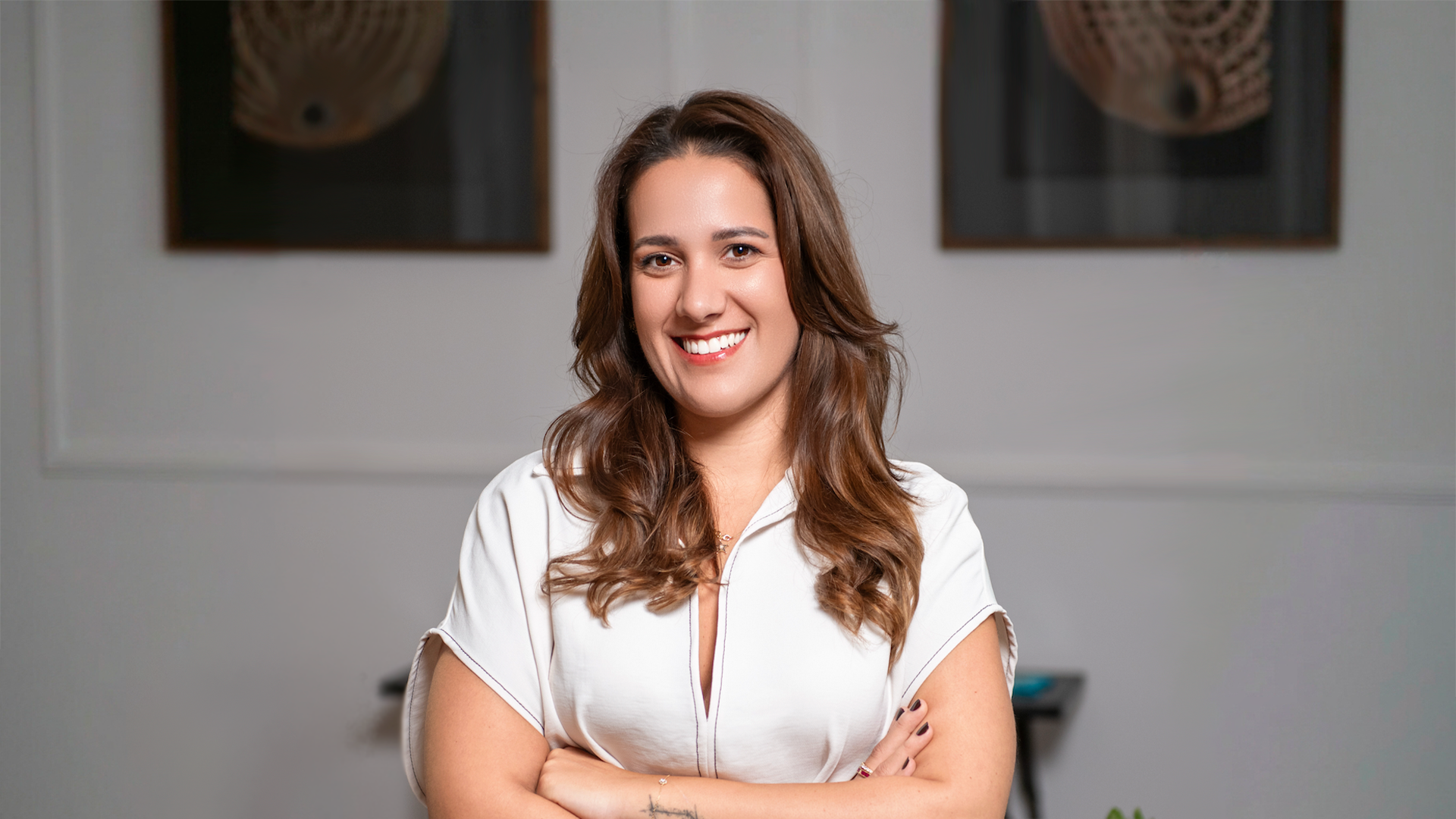
Small brands used to lose on distribution. A local skincare line or a two-person studio could build a better product than a competitor with a hundred times the budget and still never reach the people who would buy it, because reach belonged to whoever could afford to buy it. Those economics have quietly inverted. Platforms now decide what travels based on whether people respond to it, not on who paid to put it there, and that change has handed creators and small operators the one asset they could never purchase before. Irem Gonc, Co-Founder of Invalo, has spent close to a decade watching the shift happen from inside influencer campaigns in Europe, the US, and Turkey, and her read on it is sharper than the usual growth-hacking chatter: the channel works, but only for operators who treat it as a repeatable system rather than a lottery ticket. “Social media helps small players grow faster than any other channel,” she says, “but only if they know what to create next.” That qualifier is the whole argument.
Trust Travels Further Than Reach
The thing most marketing budgets still underprice is credibility. Paid placement buys attention and nothing beyond it, which is why audiences have become expert at skipping past anything that announces itself as an advertisement. Creators sit on the other side of that line, and the reason has nothing to do with follower counts. “People follow creators because they relate to them,” Gonc says. “So when a creator recommends something, it feels like advice from a friend.” That relationship is not a distribution channel dressed up in friendlier language. It is a different category of persuasion, and it cannot be bought in the way impressions can.
Gonc saw the mechanism operate at national scale while working with the Turkish Tourism Board, bringing influencers from around the world to the country. “When our influencers shared Türkiye with their followers, it didn’t feel like an ad, it felt like a story,” she says. The important part is what happens when you shrink that down. The same dynamic applies to a neighborhood cafe or a small skincare brand, because the mechanism was never about budget. It was about whether a real person vouched for something in a voice their audience already trusted. For small operators, that is the rare case where constraint is not a disadvantage. A founder who answers their own messages and knows their customers by name is better positioned to generate that kind of credibility than a brand running approval chains through three departments.
Every Comment Is A Research Finding
Most businesses pay for the information social platforms hand over free. Focus groups, surveys, and concept testing exist because companies need to know what lands before they commit to building it. Posting gives you that same signal continuously and at zero cost, which is why Gonc’s second point matters more than it first appears. “Every comment, share, and save tells you something,” she says. The data is already there. What separates the operators who compound from the ones who stall is whether they treat the response as evidence or as applause.
The discipline is harder than it sounds, because it requires letting the audience redirect the plan. “The fastest growing creators and brands use the feedback to shape their next idea,” Gonc says. That means abandoning content you were proud of because nobody saved it, and doubling down on a throwaway post that quietly outperformed. Her company builds for exactly this gap, reading what is working and turning it into the next post, but the underlying behavior does not depend on any tool. It depends on whether a brand is willing to run its content calendar as a live experiment rather than a quarterly plan locked in advance. Most are not, which is precisely why the ones that do pull ahead so quickly.
Distribution No Longer Belongs To The Biggest
The structural change underneath all of this is the one executives tend to miss, because it contradicts everything they learned about building an audience. Followers used to be the asset. Accumulate enough of them and you owned a channel you could broadcast to. “Size no longer decides who gets seen,” Gonc says. “Your content can now reach people who don’t follow you yet.” On Instagram, as she describes it, a new post is first shown to a small group of people likely to enjoy it. If they engage, the post travels further. The follower count is no longer the gate. The content itself is.
That removes the excuse most small brands have been leaning on, and it replaces it with a harder requirement. “So every post is a new chance,” Gonc says. “You don’t need one lucky hit. You need to keep showing up with content people want.” Read that as an operational instruction rather than encouragement. If every post is independently evaluated, then consistency is not a nice-to-have, it is the only way to generate enough attempts for the system to work in your favor. Chasing a single breakout moment is a strategy with one outcome and no second act. Gonc is blunt about where the real value sits: “Going viral is a moment. Being sustainable is a business.” The brands growing fastest right now are not the ones who got lucky once. They are the ones building trust, listening to their audience, and showing up constantly, which turns out to be a simple answer to a question most people were hoping had a shortcut.
Follow Irem Gonc on LinkedIn for more insights on influencer marketing, content strategy, and growth for creators and small brands.