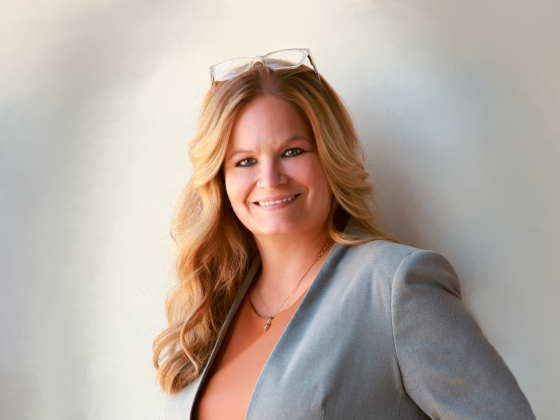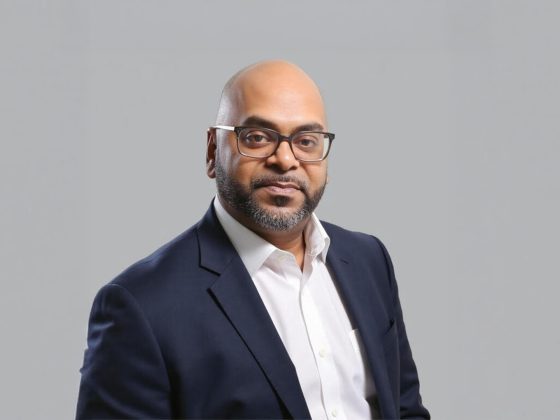
Major sporting tournaments usually cost billions to host, yet many cities struggle with what to do with the venues after the games finish. Alicia Silva Villanueva, Founder and Director of Revitaliza Consultores and author of the book Leap the Gap, has spent the past 25 years trying to change that outcome across Latin America and global markets. She views green design not as extra paperwork but as a practical way to keep buildings useful and profitable for decades. Her work focuses on turning short-term sports investments into lasting assets for host cities and the people who live in them.
Redefining the Value of Mega Events
When cities rush to prepare for global tournaments, long-term operating costs often get pushed aside to meet opening day schedules. Alicia points out that cutting corners during construction almost always leads to costly repairs and empty venues later. For corporate and civic leaders, the key is shifting away from temporary solutions and looking at what happens years down the road. “Over the past 25 years, I have worked across Latin America and globally to ensure that sustainability is not just a checkbox,” Alicia explains. “It’s a catalyst for long-term value.”
In her book, Leap the Gap, Alicia looks closely at why so many large building projects fail to deliver on their original environmental promises. The problem normally starts when organizers treat tournament deadlines as the finish line instead of the starting point. Physical arenas and roads stay in place long after the medals are handed out, which makes early planning essential. “Mega events are short, but their impact lasts for decades,” Alicia notes. “These global moments are powerful, but they are fleeting. What remains are the buildings, the infrastructure, and the communities.”
Managing Venues Long After the Games
To keep large sports venues from sitting empty, Revitaliza plans for everyday use long before construction crews break ground. That work connects the arenas with nearby hotels, train stops, and transit networks so the entire district stays active throughout the year. Project teams need a clear plan to ensure these sites manage daily operations as well as capacity crowds. “At Revitaliza, we align every project, including stadiums, hotels, and transport hubs, with environmental, social, and governance (ESG) strategies that deliver beyond the final whistle,” Alicia says. “Legacy starts with design but lives through performance. We go beyond simple consulting to help strategize your approach.”
This operational mindset guided the overhaul of Estadio Banorte, the historic Mexico City venue formerly known as Estadio Azteca. Upgrading a famous, aging stadium comes with real engineering hurdles, but the project secured top-tier environmental certification. The goal was to modernize the building, while reducing daily operating expenses. “For example, Estadio Banorte, formerly Estadio Azteca, now operates under one of the highest certification levels in the world, LEED Platinum,” Alicia says. “That’s not just a win for the climate; it’s a win for long-term asset value and performance.”
Focusing on the Surrounding Neighborhoods
Host cities often spend heavily on tourist zones around sports complexes, while ignoring the working neighborhoods nearby. Alicia Silva Villanueva argues that any serious legacy plan has to support the residents who live near these sites long after the fans leave. Construction projects should bring real benefits to local streets, rather than just building walls around the stadium. “Mega events often overlook the people living next to the stadiums,” Alicia says. “We prioritize inclusive design, resilience, and economic opportunity, ensuring that infrastructure improvements uplift entire neighborhoods.” When local transit lines and open public spaces are built properly, the whole district benefits from cleaner air and better daily mobility. Alicia sees these community benefits as a core metric of project success rather than a side charity effort. Getting the design right means local families gain safer roads, better parks, and cleaner air. As Alicia explains, “Legacy means better public spaces, clean air, and more equitable cities.”
When large sporting events approach, host cities have a direct opportunity to rethink how they manage large public and private building budgets. Alicia believes the scale of these tournaments gives builders a chance to prove that sports projects can create lasting community value. Decision-makers need to treat such events as a turning point for how these tournaments are built. “This becomes a moment to build what matters,” Alicia says. “For example, the FIFA World Cup 2026 wasn’t just about football; it was about setting new global benchmarks for sustainable development.” Achieving those standards requires project leaders to set clear operational goals before construction contracts are signed. Waiting to add green features late in the build inevitably drives up costs and reduces effectiveness. Good results come from setting clear goals early and sticking to them through every stage of construction. For Alicia, the bottom line for developers and city officials is clear: “Legacy doesn’t happen by accident; it is designed.”
Follow Alicia Silva Villanueva on LinkedIn for more insights on green building design, sustainable infrastructure, and creating lasting legacy assets for global sporting events.