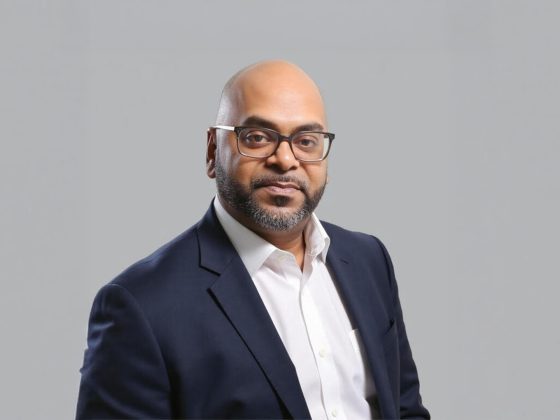
A great idea is worth far less than most people think. Joshua David Farley, Chief Revenue Officer at BESTMOW, has spent more than 20 years watching brilliant concepts stall and unremarkable ones dominate, and the difference is rarely the idea itself. “Innovation without structure is just an idea,” he says. A concept with no revenue model, accountable team, or financial direction is a concept rather than a company.
Farley has led organizations through turnarounds and post-acquisition integrations across every stage of growth, and he has seen good ideas fail for exactly this reason. The companies that lost did not have worse ideas; they simply mistook structure for an afterthought.
Structure Is What Converts an Idea Into Growth
Innovation only becomes a business when there is a framework to carry it, and Farley starts there. A clear go-to-market framework that aligns channels, teams, and financial targets separates an idea from an outcome. His own work illustrates the point. At BESTMOW, the team designed a three-year strategy projecting $50 million in scalable growth by building e-commerce, direct sales, and partnership models simultaneously. “Structure creates the foundation that lets innovation actually grow,” Farley says. The idea supplies the potential, and the framework allows that potential to scale.
Teams Convert Strategy Into Execution When They Own the Outcome
A framework on paper still depends on the people carrying it out, and Farley believes that strategy works only when the people executing it understand the mission. The conversion from plan to result happens through the team, and it happens best when the team owns outcomes.
The mechanism he builds is accountability tied directly to the financials. Every leader knows how their decisions affect the profit and loss, which changes how they decide. “When your team is aligned on outcomes, not just tasks, they move faster and make better decisions,” Farley says. A team executing tasks is waiting to be told what to do next. A team that owns an outcome makes the judgment calls that move the business, because they understand what the work is for. That ownership turns a strategy from a document into execution.
Enterprise Value Is What Gives Innovation Direction
The final structure keeps innovation pointed at something that matters. Innovation needs direction, Farley says, and without it even good ideas scatter into activity that builds nothing durable. The discipline he applies is a single question asked of every strategic decision.
Does this strengthen margins, improve retention, or position the company for long-term growth? Measuring every decision against enterprise value converts motion into results that matter to investors and customers alike. This is the structure that gives the other two their purpose, ensuring the revenue model and the accountable team are building toward value rather than merely staying busy.
Strategy gives innovation purpose, purpose drives execution, and execution creates value. A great idea and a great company are not the same thing, and structure is the distance between them. To learn more about driving innovation through strategy, connect with Joshua David Farley on LinkedIn.