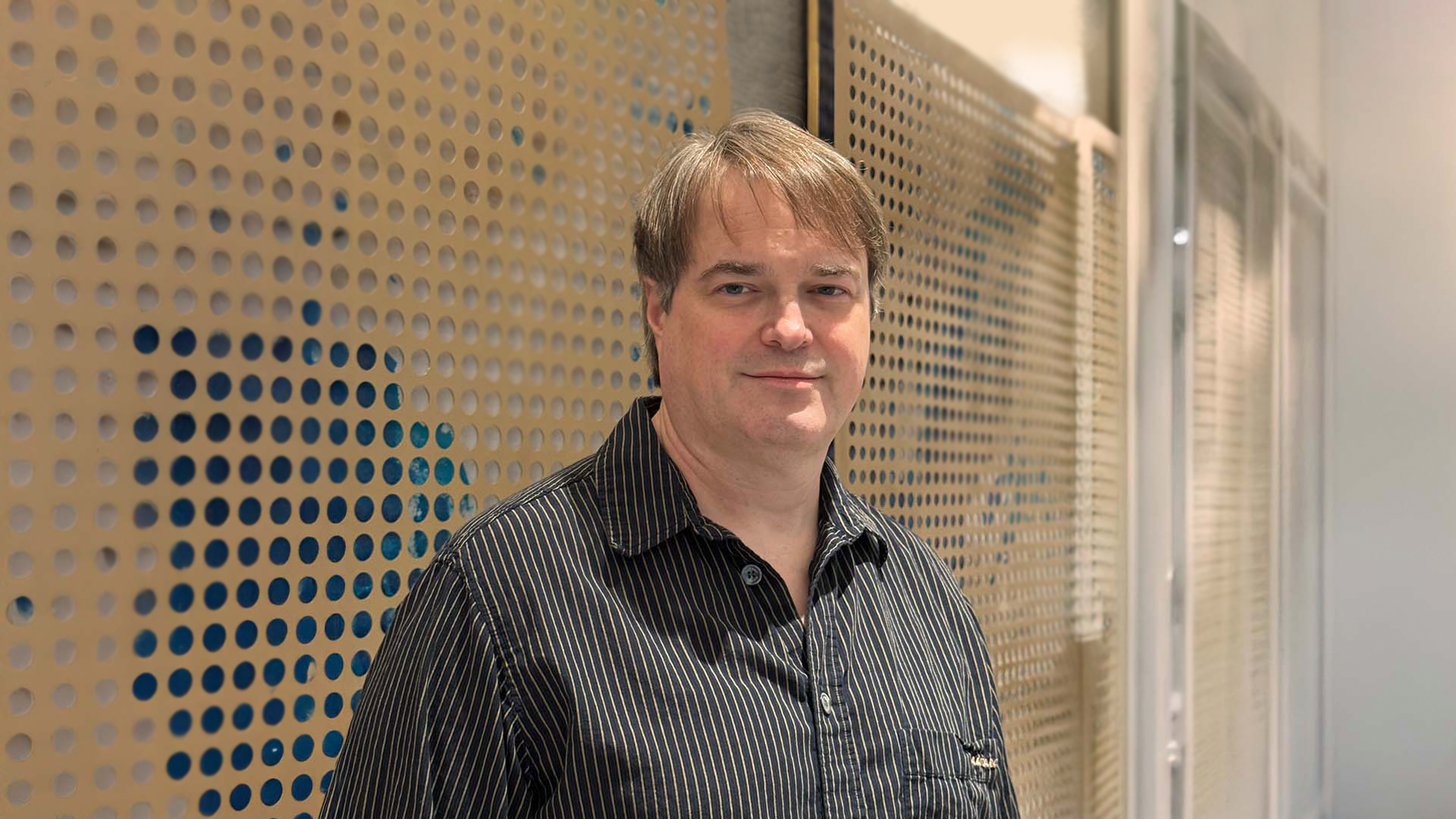
Enterprise software has always served two customers, and only one of them generates revenue. Product features go to the market while build systems, test infrastructure, and release pipelines serve the engineers, so investment has flowed accordingly for decades. Mike L. Swafford, Vice President and Member of Technical Staff at Microsoft, points to what agentic workflows do to that arithmetic. An engineer navigates around a slow build by picking up other work, absorbing the cost invisibly, while an agent runs straight into it.
“What is annoying at human speed is fatal at agentic pace,” he says. Internal tooling stops being plumbing and becomes the ceiling on how fast a company can produce anything. Swafford has spent three decades helping lead Microsoft’s evolution from box software to cloud-first services, and his focus now is extracting the most from AI across every codebase, including those carrying decades of history.
Modernization Starts Under the Hood
Real modernization begins with the engineering systems rather than the applications sitting on top of them, since an organization cannot move quickly while its build and release systems remain stuck in the past. The pressure is competitive. Competitors and threat actors are already running agentic workflows, and Swafford is blunt that keeping pace without adapting will prove difficult.
Agents need sharp tools, along with speed, reliability, discoverability, coverage, and scale, and every item on that list is a fundamental engineering capability that teams have known about for years and deferred repeatedly. The deferral was defensible while humans were the only users, but it stops being defensible the moment the primary consumer of those systems cannot improvise.
Culture Moves With the Code
Technology alone modernizes nothing, and Swafford draws on the case that taught him. Shifting Exchange from a three-year box release cycle to continuous cloud deployment demanded a cultural change rather than a tooling one, forcing the organization to build trust in automation, rethink risk, and align incentives across engineering, quality assurance, and operations.
The same shift is underway with AI, and Swafford reports that changing how the organization works is now a top priority for the senior leadership team. “Everyone is a builder,” he says. “No one is a spectator.” That is a demanding standard in any large company, where most people have historically consumed engineering output rather than produced it, and it names the actual work of modernization as leading people through change rather than shipping technology at them.
Systems That Learn From Every Failure
Legacy systems decay while modern systems evolve, and Swafford uses a framework called Engineering Thrive to measure and improve system performance alongside developer experience. Extending it into the agentic era is where the thinking sharpens. His teams are building feedback loops that automatically suggest improvements, drawing on every correction made to an agent, every bug fixed, every reverted change, and every production issue. “Never waste a failure,” Swafford says. “Always turn it into an improvement.”
The volume argument makes automation necessary rather than convenient. An organization running at agentic pace generates more failure signal than any human review process could ever read, and the improvement mechanism has to operate at the speed of the work creating it.
Modernizing enterprise software comes down to the systems, culture, and people. Swafford’s conclusion is that modern software is never finished. The uncomfortable implication for anyone setting budgets is that the internal tooling line item has begun determining what the company can ship at all. To learn more about modernizing enterprise software for AI, connect with Mike L. Swafford on LinkedIn.