The most disorienting moment in a senior leader’s career is not failure. It is success that stops working. You have delivered results consistently, led teams effectively, and earned your position. Then something shifts. The higher you climb, the harder it gets, and the instincts that drove every previous promotion start working against you.
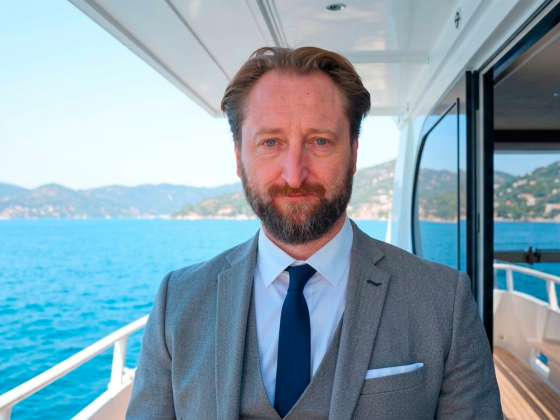
Aurélien Mangano, executive leadership coach, member of the Forbes Coach Council, and creator of The Leadership Shift, has seen this pattern across organizations and lived it himself. As a director of automation at a Fortune 500 company, he faced a project marked for decommissioning. Rather than managing through control, he chose to lead through inspiration. The result was eight times pipeline growth, $4.9 million in annual revenue savings, and $3.4 billion in revenue generated. “The skills that made you successful are now the very thing holding you back,” Mangano says. That single insight is the foundation of everything he now teaches.
Recognize the Complexity Gap
The first mistake senior leaders make when performance plateaus is reaching for more tools: another course, another framework, another methodology. The effort is genuine, but the diagnosis is wrong. The challenge at senior levels is not a skill gap: it is a complexity gap.
“The situations you face at the senior level require a different way of thinking, not just a different set of tools,” Mangano says. The higher the role, the more ambiguous the problems, the more diffuse the authority, and the more consequential the decisions. Under that pressure, most executives default to familiar patterns: controlling outcomes, proving their value, protecting their position.
“Recognizing this pattern in yourself is the first step to breaking it,” he says. The leaders who elevate their strategic value are not the ones who add more capability to an already overloaded operating system. They are the ones who recognize the system itself needs to change.
Shift Your Operating System
The second shift Mangano identifies goes deeper than behavior. Leadership at the next level is not better management. It is what he calls vertical development, an evolution in how a leader processes information, navigates ambiguity, and generates influence without relying on authority. “Instead of adding more skills horizontally, you evolve how you process information, how you navigate ambiguity, and how you influence without relying on authority,” Mangano says. That internal shift is what separates executives who plateau from those who reach the C-suite and genuinely thrive there.
The executives who make this transition compress what typically takes fifteen years into three to five. Mangano’s clients consistently walk away with C-suite promotions, salary increases of up to 75%, and teams that are measurably more engaged. The operating system upgrade produces outcomes that no additional skill acquisition could replicate.
Leverage Your Strategic Presence
The third dimension of strategic value is the one most visible at the senior level and least developed in the leaders approaching it. The higher the role, the more value comes from what a leader sees rather than what they do. Execution is expected. Strategic perspective is rare.
“Senior leaders who elevate their strategic value are those who connect dots across the organization, tell the truth when others will not, and help their teams make decisions that serve long-term purpose,” Mangano says. That is the role of a trusted advisor, not a manager. The distinction defines how the C-suite and board perceive a leader’s contribution. Leaders who remain anchored in execution signal that they belong in execution. Leaders who develop genuine strategic presence signal readiness for the next level of organizational influence.
“That is a skill you can develop daily,” Mangano says. Strategic presence is not a personality trait. It is a discipline, built through the quality of the questions asked, the connections drawn between functions, and the courage to surface difficult truths when the organization needs to hear them.
The Shift That Changes Everything
What got you here will not get you to the next level. That is not a criticism of past performance. It is a structural reality of how leadership demands change as organizations become more complex and roles become more consequential. “With the right shift in how you think, operate, and show up, you can compress what normally takes fifteen years into three to five,” Mangano says. The transition is available to any leader willing to examine not just what they do, but how they think, and to make the internal changes that external results ultimately reflect.
Follow Aurélien Mangano on LinkedIn or visit his website to learn more about The Leadership Shift and executive leadership coaching.