Most young adults enter the workforce carrying the same gap – not a gap in intelligence or ambition – but in the practical knowledge that determines how quickly they find their footing. Financial literacy, professional networking, interview excellence, and performance structuring are skills that benefit individuals significantly when learned early and cost them significantly when learned late.
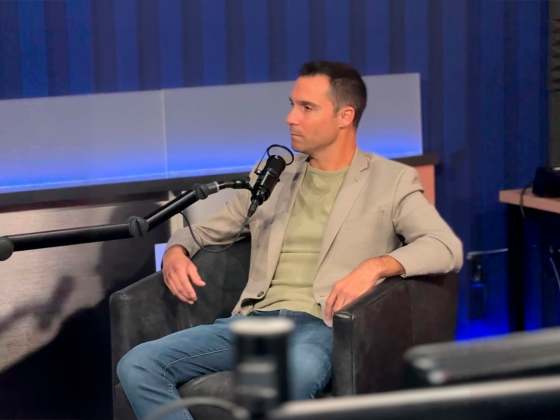
Alex Dripchak, president and founder of Commence, received one piece of advice at age 15 – to open a Roth individual retirement account (IRA). That single decision shaped not just his financial trajectory but also his conviction that the timeline for young people to acquire critical life skills is not fixed: it is a choice. “While it is never too late to start,” Alex says, “it can be too late to start smart.”
The Gap Between What Schools Teach and What Success Requires
The skills that determine professional outcomes, such as how to network with confidence, perform in high-stakes interviews, structure peak performance, and think about money before money becomes urgent, are not part of any standard curriculum. They are learned eventually, through trial and error, through mentors who happen to show up at the right moment, or through expensive mistakes made in the early years of a career that could have been avoided entirely. Alex’s observation is that this gap is not concentrated in any particular community or demographic. It is consistent across cities, generations, and economic backgrounds.
Knowledge that should be acquired at age 17 gets learned at age 35, if at all. The cost is both personal and systemic. When young adults enter the workforce underprepared, they take longer to become productive and struggle to advocate for themselves. They often underestimate what they are capable of because no one has given them the framework to think about it clearly. “Success can be safeguarded,” Alex says. “It just hinges upon early action.”
Turning Possible Into Probable
Commence exists to make the outlier outcome – the young adult who enters the workforce with genuine financial, social, and professional competence – the standard rather than the exception. The mission is to bring life’s most powerful financial, professional, and social skills to young adults across the country at the age when those skills can do the most good. That shift is best understood through what it looks like in practice:
· A 15-year-old who understands investing benefits from compounding that can result in hundreds of thousands more at retirement than those who learn in their 20s.
· A 17-year-old who has been coached through interview excellence enters the job market with a measurable advantage, and more internships.
· A 20-year-old who has practiced cold networking has a professional network before most peers have considered building one.
Each skill, acquired at the right moment rather than the inevitable one, changes the trajectory of what follows. “What if they knew about investing at 15 or excellence in interviewing at 17?” Alex asks. The answer is the difference between a possible successful outcome and a probable one. The ripple effect of equipping a generation with the skills to succeed early extends well beyond the individual. It changes what institutions can build, what communities can sustain, and what the next generation inherits.
Follow Alex Dripchak on LinkedIn for more insights on workforce preparedness, career coaching, and equipping young adults with the skills that determine professional success.