Every organization has a transformation story. Most of them end the same way, with a strategy that made sense on paper, a rollout that generated momentum, and a gradual return to how things were done before. The failure is cultural, and the leaders who keep getting this wrong are the ones who treat culture as something that adjusts once the structure changes, rather than the foundation that determines whether the structure holds at all.
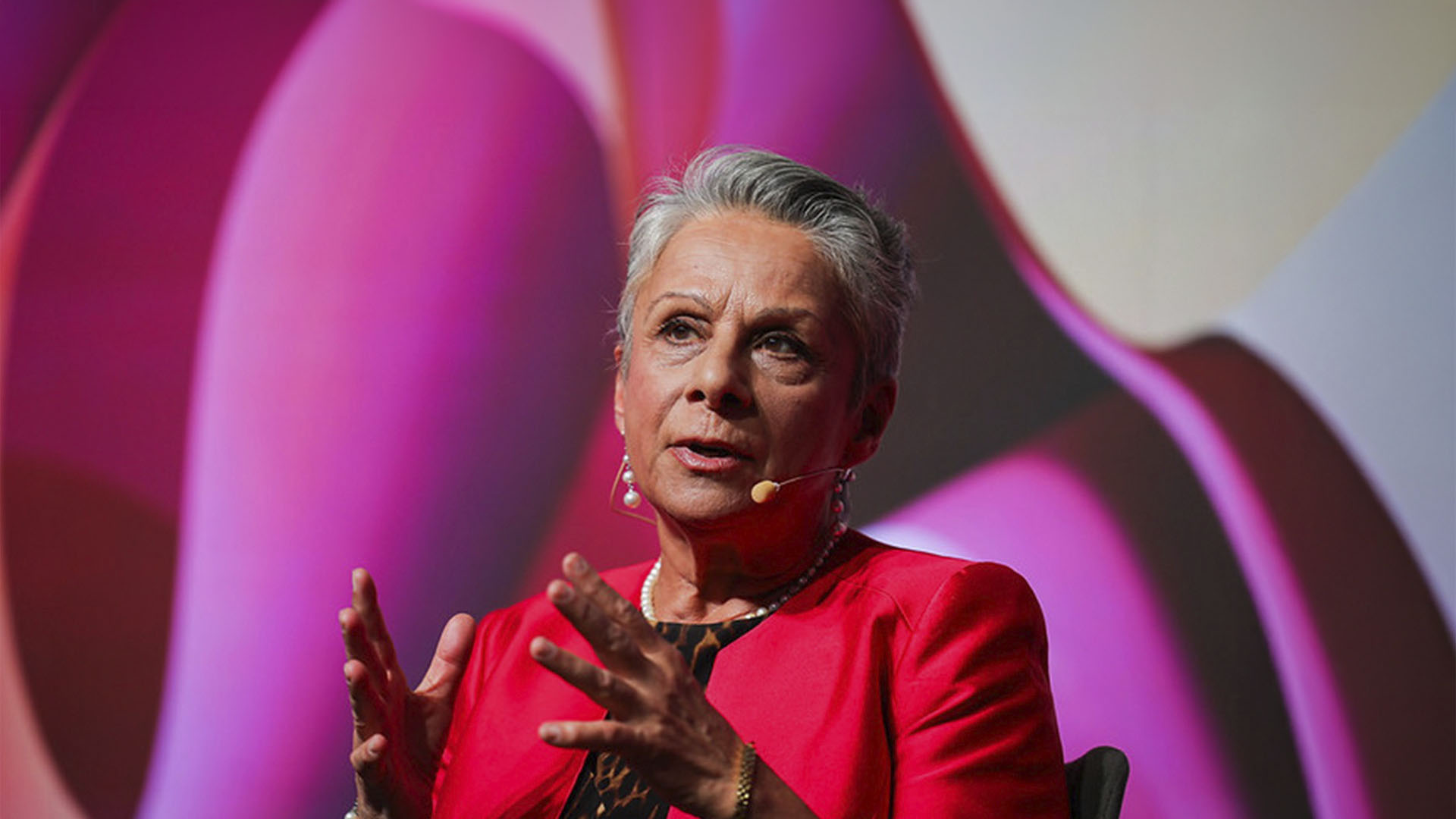
Kanthi Ford, Managing Director of KFV Consulting, has spent more than 20 years leading transformation and culture change across four continents, advising global leaders in energy, infrastructure, telecoms, aviation, pharmaceuticals, and financial services, and overseeing more than $200 million in infrastructure rollouts across Asia and South America. She chairs the international panel at the Pipeline Industries Guild. Her position on why transformation fails is direct and consistent. “Most transformation programs fail not because the strategy is wrong,” Ford contends, “but because the culture was never ready to carry it.”
Culture Determines Whether Strategy Lands or Dissolves
The pressure in any transformation is to move fast, reorganize the teams, deploy the system, announce the new operating model, and demonstrate progress. Culture gets treated as a downstream variable that will adjust once the structure shifts. It does not. Culture governs how people actually make decisions, communicate under pressure, and respond to change. If those patterns are misaligned with the direction the transformation requires, resistance accumulates at every level in ways that are difficult to name and nearly impossible to manage through structural intervention alone.
Ford begins every engagement with diagnostics before making a single structural recommendation. The discipline is to resist the organizational pressure to act visibly before the foundation is understood. “Fix the foundations first, and the strategy will stick,” she states. The organizations that skip this step do not avoid the cultural work, they simply encounter it later, under greater pressure, after the people responsible for execution have already lost confidence in the initiative.
The Leadership Gap Between Public and Private Sectors
Public and private sectors are not simply different operating environments. They are different value systems. Government organizations optimize for accountability, public mandate, and long-term institutional stability. Private sector organizations optimize for speed, competitive performance, and measurable financial outcomes. Leading transformation across that divide requires a specific kind of leadership fluency that most programs do not develop.
Ford identifies inclusive leadership as the bridge and is precise about what that means in practice. It is not a values commitment or a governance requirement. It is a strategic capability, the ability to listen across hierarchies, engage the voices most likely to be missed, and build decision-making processes that reflect the full complexity of the stakeholder environment rather than the priorities of the most vocal room.
“Inclusion is not a soft skill,” she insists. “It is a strategic lever, and it is one most leaders still shy away from.” In cross-sector environments where trust is the operative currency, the organizations that build genuine inclusivity into their decision-making infrastructure are the ones that sustain transformation beyond the initial mandate.
Purpose Without Measurable Outcomes Is Just Messaging
Sustainable transformation requires two things to move in the same direction: a purpose that people can connect to their daily reality, and performance metrics that make the progress toward that purpose visible and credible. When either is absent, the other loses its traction. Purpose without accountability becomes organizational messaging. Accountability without purpose becomes compliance, a standard met without commitment.
Ford’s framework ties the why of transformation directly to measurable outcomes, ensuring the connection between strategic intent and operational reality is concrete enough to track and honest enough to trust. “When employees understand why they need to change, and when leaders tie purpose to measurable outcomes, you build organizations that adapt rather than break,” she observes. In environments shaped by complexity and competing priorities, that combination, cultural readiness, inclusive decision-making, and purpose anchored to performance, is not a model for better transformation programs. It is the difference between transformation that lasts and transformation that gets announced.
Follow Kanthi Ford on LinkedIn for more insights on transformational leadership, inclusive strategy, and leading complex change across public and private sectors.