“Fail fast” gets repeated so often it has lost its meaning, and most people who say it have it backwards. They think it is about tolerating failure, but what it is really about is the price of information. Every real business decision is a bet placed under uncertainty, and the only way to settle that bet is to test it and let the market answer. Failure is not a loss; it is the cheapest, fastest way to buy information that no analysis can hand you in advance.
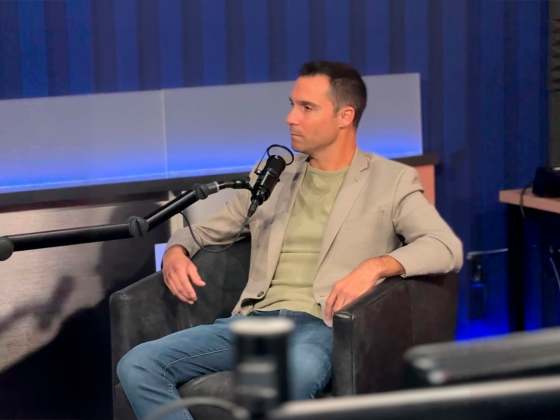
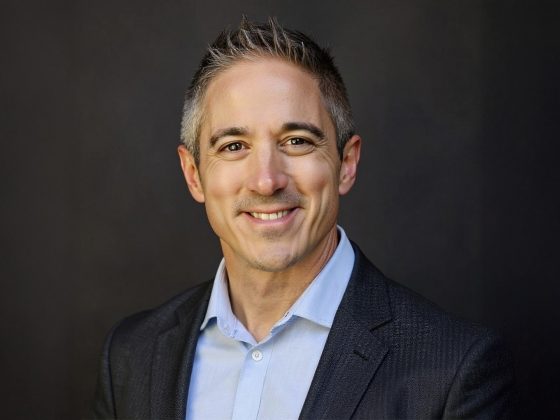
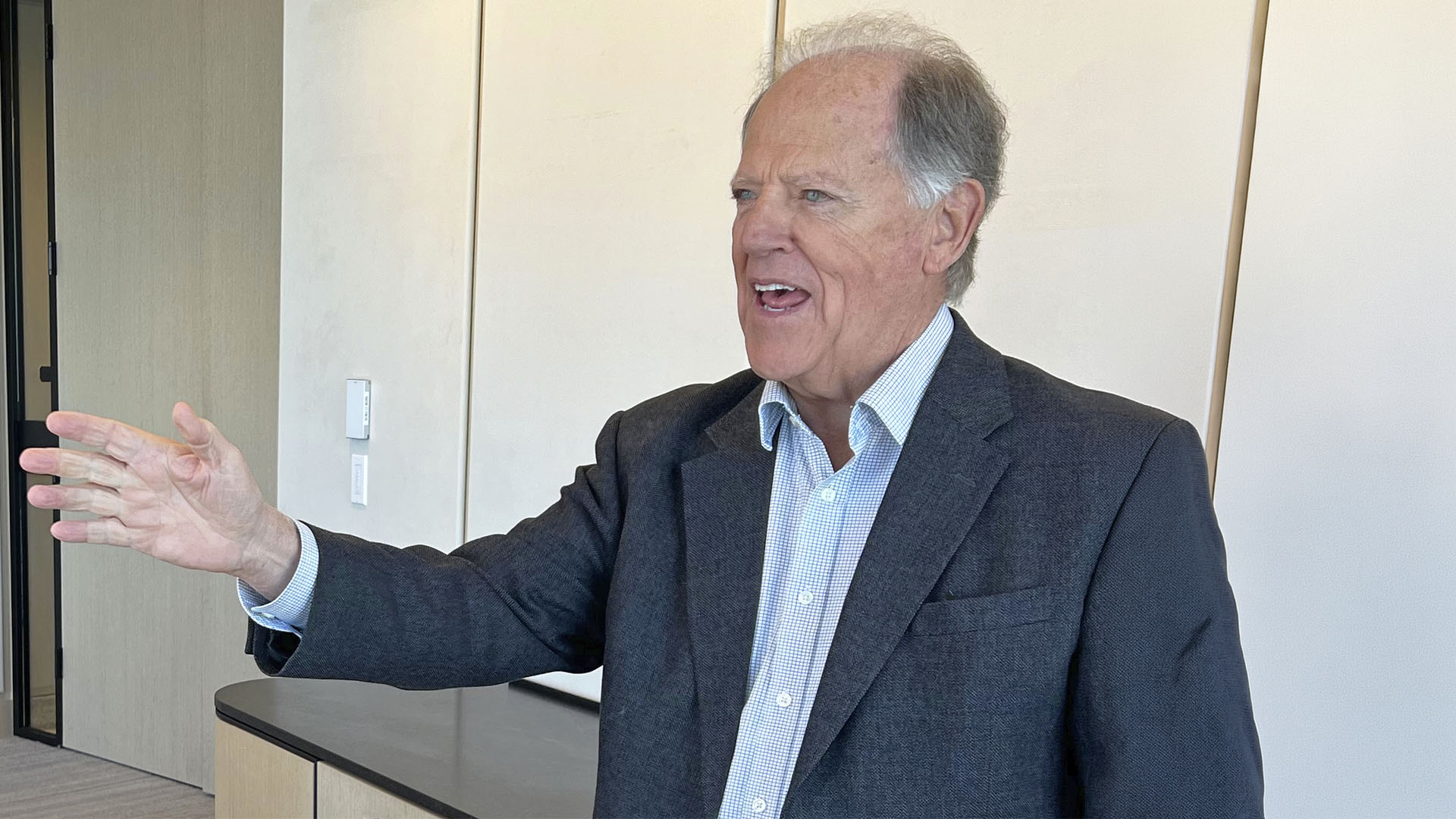
Rick Williams, a leadership guru, podcaster, and advisor to chief executive officers (CEOs) navigating their hardest decisions, has watched this separate the leaders who move from the leaders who stall. “If you’re going to fail, fail quickly,” he says. The leader who avoids failure is not playing it safe. They are refusing to buy the information they need, and the bill comes later, much larger.
Failure Is Not the Enemy, Stagnation Is
Most people spend their energy avoiding failure rather than learning from it, which guarantees the worst outcome. “Failure is not the enemy,” Williams states. “Stagnation and resistance to change are the enemies of success.” A leader frozen by the fear of failing is not avoiding cost. They are choosing a slower, larger cost they cannot yet see.
Williams points to a founder he once advised whose business model had stopped working. She hesitated to change it, afraid that acting might make things worse, and by the time she finally moved, the market had already passed her by. The lesson here is that she avoided the cheap failure, a test that might not have worked, and received the expensive one instead, a business rendered obsolete. Hesitation carried the higher price all along. This is why trying things, learning what works and what does not, and changing course before the costs climb is not recklessness. It is the disciplined choice to pay for information while it is still affordable.
Act With Intent, and Buy Your Information Cheaply
Failing quickly is often mistaken for moving carelessly. “I’m not talking about reckless moves,” Williams says. “I’m talking about smart testing, launching, learning, and iterating fast.” The difference is that a smart test is designed to produce information at the lowest possible cost, which is what recklessness fails to do. The goal is not to gamble, but to learn the most while risking the least.
This is the structure Williams builds into his leadership guidebook, Create the Future, which walks leaders through whiteboard exercises for making difficult choices by generating real options, testing them, and moving on quickly from what does not work. He has distilled the approach into a sequence: ask, discover, learn, and then decide. Deciding first and hoping is expensive. Asking and discovering first makes the eventual decision cheap and sound. Failure does not slow down successful leaders; it sharpens their edge, because each quick, intentional failure hands them information their more hesitant competitors never bothered to purchase.
A Success Culture Is Built on Cheap Information, Not Perfection
“Leaders who embrace learning from failure set a tone and create a success culture,” Williams explains, one where success rests on trying, failing, learning, and growing stronger. A culture that demands perfection is a culture that has made information prohibitively expensive, since no one will risk the test that produces it.
Williams has watched leadership teams transform when a CEO stopped demanding perfection and started celebrating smart risk-taking. Punishing failure does not build success; it simply raises the price of learning until people stop learning. Building success instead means making it safe and cheap to discover quickly what works and what does not.
Failing quickly was never about embracing failure for its own sake. It is about paying for the information success requires while that information is still cheap, with intention, curiosity, and urgency rather than fear. Success does not come from avoiding mistakes. It comes from learning from them and growing stronger with each step forward.
Follow Rick Williams on LinkedIn or visit his website for more on his keynote speaking and his Create the Future with Rick Williams Podcast.